
Sourcing Protocols for Freshness and Safety
The quest for exceptional food is a journey many of us embark on daily. In a world with countless options, knowing where our groceries and seafood come from, and how they reach us, is more important than ever. We seek not just sustenance, but flavor, freshness, and peace of mind.
This comprehensive guide will explore the intricate world of sourcing quality groceries and sustainable seafood. We will delve into what truly defines high-quality markets, from their boat-to-plate processes to their commitment to freshness and sustainability. We will also examine the vital role local businesses play, the evolution of online delivery services, and the key factors consumers consider when making their choices. Understanding these elements empowers us to make better decisions for our tables and our planet. Even in the realm of shelf-stable options, discerning quality is crucial; for example, choosing a brand of premium canned tuna can significantly elevate a simple meal.
At the heart of any truly high-quality grocery or seafood market lies an unwavering commitment to freshness and safety. This commitment begins long before products ever reach our shopping carts, involving rigorous sourcing protocols, meticulous handling, and adherence to stringent regulatory standards. Businesses that excel in this area, like those known for their long-standing traditions and community trust, differentiate themselves through transparency and reliability. They understand that every step, from the moment of harvest to the final display, impacts the integrity and flavor of the food.
For seafood markets, ensuring freshness is a complex dance of dockside logistics and cold-chain maintenance. The journey from the ocean to the consumer’s plate is carefully orchestrated to preserve the delicate quality of the catch. This often means establishing direct relationships with fishermen, allowing for rapid procurement and minimizing transit times. Once landed, seafood is immediately inspected and packed on crushed ice, a critical first step in maintaining its pristine condition.
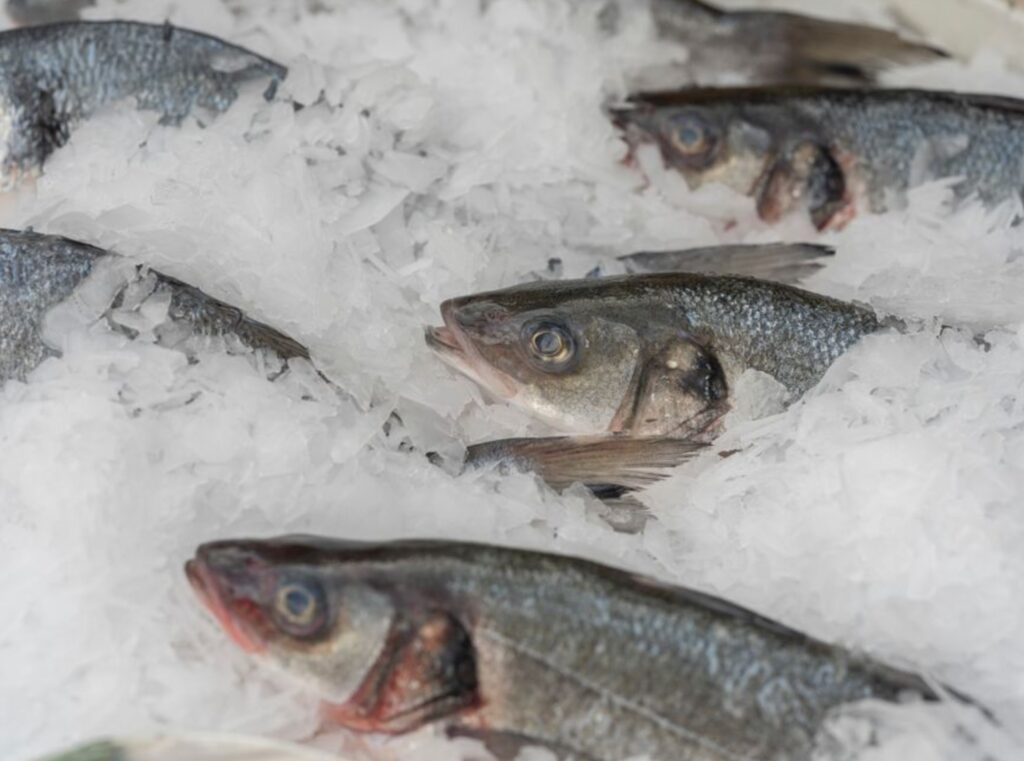
Food safety regulations, such as those mandated by the FDA and HACCP (Hazard Analysis and Critical Control Points) compliance, are non-negotiable. Markets dedicated to quality undergo regular inspections and implement robust safety plans to prevent contamination and ensure products are safe for consumption. This includes strict temperature controls throughout storage and distribution. Many top-tier markets utilize overnight distribution networks to ensure that seafood caught one day can be on display, or even delivered to a customer’s door, by the next morning. This rapid turnaround is a hallmark of superior quality, reflecting a dedication to delivering the freshest possible products. Sustainable fisheries also play a crucial role, not just for environmental stewardship but for the long-term availability of high-quality seafood. By supporting responsible fishing practices, these markets help ensure a healthy ecosystem and a consistent supply of premium products for generations to come.
Boat-to-Plate Traceability and Ethical Sourcing
The concept of “boat-to-plate” traceability is fundamental to modern seafood markets committed to quality and sustainability. It means being able to track a piece of fish from the moment it’s caught all the way to the consumer. This level of transparency is achieved through comprehensive catch documentation, which records details such as the vessel, fishing location, date of catch, and species. This information empowers consumers to make informed choices and assures them of the product’s origin and journey.
Ethical sourcing extends beyond just knowing where the fish came from; it encompasses how it was caught or raised. Sustainable aquaculture, for instance, involves farming practices that minimize environmental impact and promote animal welfare. For wild-caught seafood, markets prioritize suppliers who adhere to eco-certifications from organizations that verify sustainable fishing practices. These certifications often dictate specific catch methods designed to reduce bycatch and protect marine habitats.
Dockside purchasing is a common practice among premium seafood markets, allowing them to hand-select the best of the day’s catch directly from local fishermen. This direct relationship not only guarantees freshness but also supports local economies and fosters a deeper understanding of the product’s journey. Wild-caught integrity is paramount, ensuring that seafood labeled as such truly comes from its natural habitat, free from the interventions of farming. Furthermore, adherence to seasonal quotas and harvest transparency ensures that fishing efforts do not deplete fish populations, safeguarding the ocean’s resources for the future. These practices collectively underscore a market’s commitment to both culinary excellence and environmental responsibility.
Key Freshness Indicators for Quality Groceries and Seafood
For discerning consumers, understanding the key freshness indicators is crucial when selecting quality groceries and seafood. While a market’s reputation and sourcing protocols provide a strong foundation, knowing what to look for yourself empowers better purchasing decisions.
When it comes to seafood, sensory evaluation is your best tool. Fresh fish should have bright, clear eyes that are slightly bulging, not sunken or cloudy. The gills should be a vibrant red or pink, free of slime or discoloration. The flesh should be firm and spring back when gently pressed, indicating good texture and moisture content. Perhaps most importantly, fresh seafood should have a clean, oceanic aroma, reminiscent of the sea breeze, not a strong or “fishy” smell. A clean-smelling market, free from overpowering odors, is often a sign of high turnover and meticulous hygiene, as noted by customers of markets like fin in Guilderland, NY.
For groceries, freshness indicators vary by product. Produce should be vibrant in color, firm to the touch, and free from excessive blemishes or wilting. A natural, pleasant fragrance is often a good sign of ripeness and flavor. For meats, look for appropriate marbling, a healthy color (e.g., bright red for beef), and a clean, neutral scent.
Beyond sensory cues, some markets employ non-destructive testing methods to assess quality, though these are less common at the consumer level. Mercury screening, while not typically performed on individual pieces of fish at the point of sale, is a critical factor for certain species known to accumulate higher levels. Reputable suppliers and brands, like those offering premium canned tuna, often provide assurances regarding mercury levels in their products, giving consumers peace of mind. A combination of visual inspection, smell, touch, and trust in your chosen market’s practices will guide you to the freshest, highest-quality selections.
| Metric | Dockside-fresh seafood | Flash-frozen seafood |
|---|---|---|
| Time from harvest | Ideally hours | Frozen within hours of harvest |
| Texture | Excellent when handled properly | Very good; depends on freezing and thawing |
| Taste and aroma | Excellent at peak freshness | Can be very close to fresh |
| Protein retention | High | Generally comparable |
| Omega-3 retention | High when properly chilled | Generally high; prolonged storage can cause oxidation |
| Microbial spoilage | Continues, but slows under chilling | Greatly slowed while frozen |
| Parasite control | Depends on species and handling | Freezing can control parasites when validated time-temperature conditions are met |
| Shelf life | Short; often around 1–2 days for best quality | Several months, depending on species and storage |
| Supply consistency | Depends on catch and season | More consistent year-round |
| Inventory waste | Higher risk | Generally lower |
| Cold-chain requirements | Continuous chilling | Continuous frozen storage |
These are general comparisons, not guaranteed scores for every species or supplier. Properly handled frozen seafood can retain excellent quality and nutritional value.
Evaluating Standards for Quality Groceries and Seafood
What truly sets a high-quality grocery or seafood market apart from its competitors? It’s often a combination of specialized offerings, deep expertise, and a commitment to a comprehensive gourmet experience. Businesses like Citarella and Joe’s Produce exemplify this by integrating multiple departments—from the butcher and bakery to the produce aisle—under one roof, creating a curated shopping destination. They don’t just sell ingredients; they offer a culinary journey.
These markets understand that quality isn’t just about individual items; it’s about the entire ecosystem of their offerings. They differentiate themselves by focusing on artisanal craftsmanship, often employing highly skilled butchers, bakers, and fishmongers who possess deep knowledge of their trade. This expertise allows them to provide not only superior products but also personalized service and advice, turning a routine shopping trip into an educational and enjoyable experience. The ability to source unique, often local, products that large chains cannot easily replicate also contributes to their distinct identity. This dedication to excellence across all departments is what truly defines a premium market and fosters fierce customer loyalty.
Artisanal Craftsmanship Across Grocery Departments
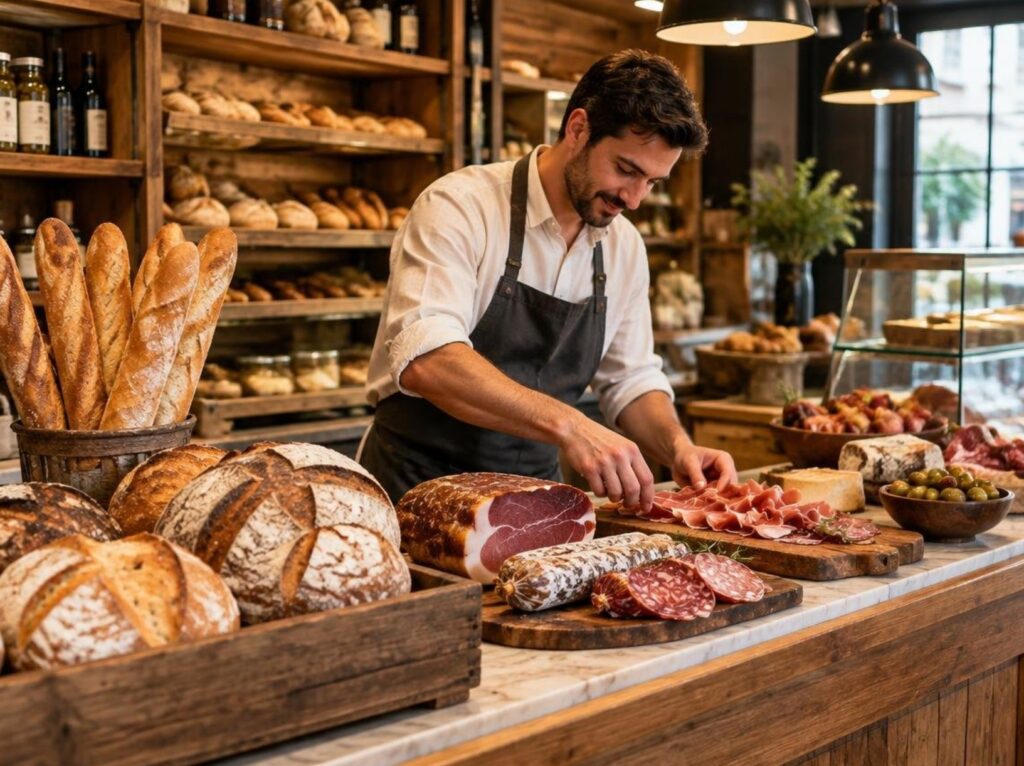
The hallmark of a truly exceptional gourmet market lies in its commitment to artisanal craftsmanship across all its departments. This dedication elevates everyday shopping into a discovery of culinary excellence. Consider the butcher shop, where daily butchery ensures that cuts of meat are always fresh and tailored to customer needs. Markets like Citarella, for example, are renowned for their prime, dry-aged beef, often aged in-house for a precise 21 days. This meticulous process enhances flavor and tenderness, offering a product far superior to conventionally aged meats.
In the bakery, artisanal practices translate into scratch baking and the use of traditional methods, such as long fermentation for breads. This approach, championed by bakeries like Art of Bread at Joe’s Produce, results in loaves with complex flavors, superior texture, and a distinct character that cannot be replicated by mass production. These breads are often made with the freshest ingredients, reflecting a commitment to quality from flour to finished product.
The produce section in such markets is a vibrant display of hand-selected fruits and vegetables. This means individual items are chosen for peak ripeness, flavor, and appearance, rather than simply being stocked in bulk. Many markets prioritize local orchard sourcing and embrace seasonal produce cycles, offering customers the freshest ingredients at their prime. This focus on seasonality not only supports local farmers but also ensures that the produce is at its most flavorful and nutritious. Beyond fresh items, gourmet pantry staples, from artisanal cheeses to specialty oils and vine creams, are carefully curated to complement the fresh offerings, providing a comprehensive selection for the discerning home chef. This holistic approach to quality, driven by skilled artisans, creates a truly unique and enriching shopping experience.
The Community and Economic Impact of Independent Markets
Local, family-owned markets play a profoundly different role in their communities compared to large grocery chains. While chains focus on scale and efficiency, independent purveyors like Joe’s Produce or Southern Seafood Market are deeply embedded in the fabric of their neighborhoods. They often become community hubs, fostering relationships between staff and customers that transcend simple transactions. This personalized customer service is a key differentiator; staff often know regulars by name and can offer tailored recommendations, cooking tips, and even special orders.
These markets are vital for local agriculture support. By sourcing from nearby farms and fisheries, they create direct economic benefits for regional producers, helping to sustain small businesses and preserve local food systems. This commitment to local sourcing also means a fresher product for consumers and a reduced carbon footprint. The curated culinary selections found in independent markets often reflect the unique tastes and demands of their community, offering specialty items that larger stores might overlook.
Independent markets also act as neighborhood food hubs, hosting events, participating in local initiatives, and generally contributing to the vibrancy of the area. Southern Seafood Market, for instance, has been a Tallahassee leader for nearly three decades, becoming a trusted institution. Their longevity and high customer ratings (over 300 Google reviews with a 4.5-star rating) are testaments to their community value. These establishments often have a rich history, with businesses like Joe’s Produce operating since 1945 and Citarella since 1912. This long-standing presence builds trust and a sense of shared heritage. The economic impact extends to job creation within the community and the preservation of unique retail experiences that add character to a town or city.
- Personalized Customer Service: Staff often know customers by name and provide tailored advice.
- Local Economic Support: Direct sourcing from local farms and fisheries boosts regional economies.
- Community Hubs: Markets often serve as gathering places, hosting events and fostering local connections.
- Unique Product Selection: Curated, specialty items reflecting local tastes and seasonal availability.
- Preservation of Culinary Heritage: Maintaining traditional butchery, baking, and fishmongering skills.
- Reduced Environmental Impact: Shorter supply chains from local sourcing.
- Job Creation: Providing employment opportunities within the neighborhood.
Modern Distribution and Access Models
The landscape of how consumers access fresh seafood and gourmet groceries has undergone a significant transformation, particularly with the rise of online ordering, subscription services, and home delivery. These modern distribution models are reshaping consumer expectations, prioritizing convenience without compromising quality. At the core of this evolution are sophisticated cold chain logistics, ensuring that perishable goods maintain optimal temperatures from the moment they leave the supplier until they arrive at the customer’s door.
This involves specialized temperature-controlled packaging, often utilizing insulated delivery containers and high-performance ice packs, to protect the integrity of delicate items like fresh fish and produce. The shift towards direct-to-consumer logistics has empowered businesses to bypass traditional retail channels, offering a more streamlined and often faster route to market. This model also provides greater flexibility for consumers, allowing for customized orders and flexible meal planning tailored to individual preferences and schedules. The convenience of having premium ingredients delivered directly to one’s home has become a compelling factor for many, especially in busy urban environments.
Navigating Online Delivery for Quality Groceries and Seafood
Online delivery services have revolutionized how we think about grocery shopping, especially for fresh seafood and gourmet items. Companies like Svenfish exemplify this new paradigm, offering dock-to-door transit that promises unparalleled freshness. Their model often involves sourcing fish directly from dawn fish auctions or local docks, packing it meticulously, and delivering it the same day. This rapid turnaround ensures that the seafood is “never frozen” and arrives in pristine condition.
Subscription boxes have become a popular option for fresh seafood, providing a convenient way to receive a curated selection of the week’s best catch. Svenfish, for example, offers mystery boxes (Small Box: 2 lb, $40/delivery; Large Box: 4 lb, $79/delivery) that save customers money while introducing them to diverse species. These services often provide flexibility, allowing customers to pause, skip, or cancel deliveries as needed.
To maintain quality during transit, advanced packaging techniques are employed, including vacuum sealing for individual portions and insulated shipping liners within robust containers. These measures, combined with ice-pack density, are crucial for preserving freshness and preventing spoilage. Many online purveyors also offer customer return guarantees, ensuring peace of mind if the quality doesn’t meet expectations. This commitment to customer satisfaction, coupled with the sheer convenience of having fresh, sustainably sourced seafood delivered directly to your home, underscores the significant impact of online delivery on consumer access to quality ingredients.
Convenience and Round-the-Clock Retail Availability
Beyond online delivery, the retail landscape for quality groceries and seafood has also evolved to meet modern consumer demands for convenience and accessibility. Urban accessibility has become a key factor, with many specialty markets strategically located to serve densely populated areas. These markets understand that busy lifestyles often require flexible shopping hours.
Extended retail hours are increasingly common, allowing customers to shop early in the morning or late into the evening. Some innovative models even offer late-night shopping or operate as a 24-hour supermarket, catering to every schedule. This round-the-clock availability ensures that fresh ingredients are always within reach, regardless of when inspiration strikes or a last-minute need arises.
The integration of omnichannel grocery access means that consumers can seamlessly transition between online ordering for home delivery or curbside pickup and in-store shopping. This flexibility caters to diverse preferences and situations. Ambient supply chains support this model by efficiently moving products from distribution centers to stores, ensuring shelves are consistently stocked with fresh items. Modern consumer habits prioritize speed and ease, and retailers are responding by optimizing their operations to provide maximum convenience without sacrificing the quality of their offerings. This blend of traditional in-store experience with modern logistical solutions ensures that high-quality groceries and seafood are more accessible than ever before.
Frequently Asked Questions About Sourcing Quality Food
As consumers, we are increasingly empowered to make informed choices about the food we purchase. Understanding the nuances of quality groceries and seafood involves a degree of consumer education, from deciphering labels to implementing proper storage protocols and mastering culinary preparation techniques. Here, we address some common questions that arise when seeking the best for our tables.
How Can Consumers Verify if Seafood Is Sustainably Sourced?
Verifying sustainable seafood sourcing is crucial for environmentally conscious consumers. The most straightforward method is to look for reputable certifications on product packaging or ask your fishmonger directly. Organizations like the Marine Stewardship Council (MSC) and the Aquaculture Stewardship Council (ASC) offer widely recognized eco-certifications that indicate seafood has been caught or farmed responsibly. These labels signify adherence to strict environmental standards, including sustainable fishery management, efforts to minimize bycatch, and protection of marine habitats.
Beyond certifications, understanding the regional origin of your seafood can provide clues. Some regions have more robust regulations and better-managed fisheries than others. Ask about the specific catch methods used; for example, pole-and-line fishing is generally more sustainable than large-scale trawling. Traceability labels or QR codes are also becoming more common, allowing consumers to scan and access detailed information about the fish’s journey from boat to plate. A knowledgeable fishmonger should be able to provide clear answers to these questions, demonstrating their market’s commitment to ethical sourcing.
What Are the Clear Signs of High Quality in Fresh Groceries?
Identifying high quality in fresh groceries involves engaging your senses and understanding what to look for in different categories. For produce, the clearest signs include:
- Firmness: Fruits and vegetables should feel firm and substantial, not soft or mushy, indicating freshness and proper hydration.
- Natural Fragrance: Many ripe fruits and herbs emit a pleasant, natural aroma. A lack of scent or an off-putting smell can indicate a lack of ripeness or spoilage.
- Vibrant Color: Produce should display bright, natural colors characteristic of its type. Dullness, discoloration, or excessive blemishes can be signs of age or damage.
- Seasonal Availability: Shopping for produce that is in season often guarantees better flavor, freshness, and often, better pricing.
- Minimal Handling: Look for items that appear to have been handled gently, without excessive bruising or cuts, which can accelerate spoilage.
For meats, look for appropriate marbling (streaks of fat within the muscle) for tenderness and flavor, a healthy color (e.g., bright red for beef, pale pink for pork, deep red for lamb), and a clean, neutral smell. Poultry should have plump flesh and intact skin. Trust your instincts and choose items that look, feel, and smell fresh and appealing.
How Does Cold-Chain Management Protect Seafood Quality During Delivery?
Cold-chain management is paramount in protecting seafood quality, especially during delivery, ensuring that delicate products remain safe and fresh. This sophisticated logistical system focuses on maintaining a consistent, low temperature throughout the entire supply chain, from the moment seafood is harvested to when it reaches the consumer.
Key elements of effective cold-chain management include:
- Ice-Pack Density: Proper use of ice or gel packs within insulated containers is critical. The quantity and placement of these cooling agents must be sufficient to keep the internal temperature well below refrigeration levels, ideally close to freezing point, for the entire transit duration.
- Insulated Liners and Containers: Seafood is packed in high-quality insulated boxes or coolers designed to minimize heat transfer from the external environment. These liners act as a barrier, trapping cold air inside.
- Overnight Freight and Expedited Shipping: To reduce the time seafood spends in transit, delivery services often utilize overnight freight or expedited shipping options. This rapid movement is crucial for perishable goods, minimizing the window for temperature fluctuations or degradation.
- Ambient Temperature Monitoring: Advanced logistics systems often include sensors that monitor the temperature inside delivery vehicles and containers. This allows for real-time tracking and alerts if temperatures deviate from the safe range, enabling corrective action.
- Microbial Prevention: Maintaining consistent cold temperatures significantly slows down the growth of bacteria and other microorganisms that cause spoilage. This is a primary defense against foodborne illnesses and ensures the seafood remains safe to eat.
By meticulously managing these factors, cold-chain logistics effectively preserves the sensory qualities—texture, flavor, and aroma—of seafood, delivering it to the consumer in peak condition.
Conclusion
The pursuit of quality groceries and sustainable seafood is more than just a trend; it’s a conscious choice that reflects our values, our health, and our commitment to the planet. As we’ve explored, the definition of quality extends far beyond mere appearance, encompassing rigorous sourcing protocols, artisanal craftsmanship, and ethical practices from boat to plate.
By understanding what defines a high-quality market, appreciating the vital role of local, family-owned businesses, and embracing the convenience of modern distribution models, we empower ourselves to make better purchasing decisions. Whether we’re selecting hand-picked produce, dry-aged beef, or sustainably sourced seafood delivered to our door, our choices have a ripple effect.
In September 2026, the landscape of food sourcing continues to evolve, but the core principles remain constant: freshness, transparency, and responsibility. Let us continue to advocate for ethical supply chains, support culinary excellence, and cultivate sustainable sourcing habits that nourish both our families and our communities for years to come.