
A lawn’s ability to stay green, dense, and resilient in Northern New Jersey often begins below the grass blades. Soil affects how well roots can access air, water, and nutrients, so a lawn that looks acceptable in spring may still struggle when summer heat, dry weather, foot traffic, and weeds arrive.
Homeowners looking into organic lawn fertilization services Northern New Jersey can turn to Greener Lawns, a family-owned organic lawn care company based in Millington. Greener Lawns provides Northern New Jersey homeowners with organic treatment options, lawn repair, seeding, and core aeration services, making it a useful local resource for people who want to improve soil conditions and support stronger turf over time.
Why Lawn Health Starts Below the Grass
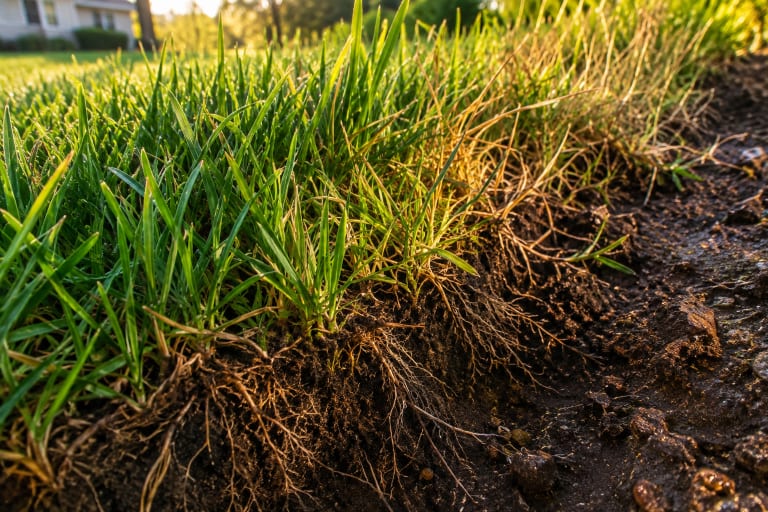
Grass roots need pore space in the soil for oxygen, water movement, and growth. When soil is compacted, overly dry, poorly drained, or low in organic matter, roots may remain shallow. Shallow-rooted grass is less equipped to handle a hot week, a missed watering cycle, or heavy use from children, pets, and outdoor gatherings.
A soil-first approach does not promise a perfect lawn overnight. It helps create the conditions that allow grass to fill in, recover from stress, and compete more effectively with weeds.
How Heat and Drought Stress Affect Turf
During hot, dry periods, grass may develop a dull blue-green or gray-green cast, wilted blades, slow growth, or brown patches. These symptoms can appear when roots cannot take up enough water to replace moisture lost through the leaves. Heat-stressed turf is also more vulnerable to damage from mowing too short, traffic, and poorly timed fertilizer applications.
Guidance on managing turfgrass under heat and drought stress emphasizes practical steps such as raising mowing height, limiting traffic on stressed turf, and watering carefully when needed. In Northern New Jersey, that often means adjusting expectations during the hottest part of summer instead of trying to force rapid growth.
The Connection Between Compaction and Weeds
Compaction happens when soil particles are pressed tightly together. Repeated foot traffic, pets running the same path, lawn equipment, and working on wet soil can all contribute. Water may then puddle or run off rather than soak in, leaving roots with less room to expand.
Thin grass leaves open space for weeds to establish. Weed patterns can also reveal a site problem. According to indicator weeds in turf, recurring weeds may point to conditions such as compaction, drought, excessive moisture, low fertility, acidity, or shade. Removing weeds matters, but correcting the condition that favors them is usually more important for lasting improvement.
Five Signs Your Lawn Soil Needs Attention
- Water runs across the surface or collects in puddles instead of soaking in.
- Grass browns quickly after a dry spell, even when nearby areas remain healthy.
- Reseeded spots stay thin or fail to establish evenly.
- A screwdriver is difficult to push several inches into moist soil.
- The same weeds return in the same sunny, shady, wet, or heavily traveled locations each year.
Before treating a problem area, look at the full site. Consider drainage from downspouts, shade from mature trees, slope, soil moisture, and how often the area is used. A different seed mix, better traffic management, or improved drainage may be more useful than repeating the same product application.
A Simple Soil-First Lawn Care Plan
1. Test Before Adding Products
A soil test provides a clearer starting point than guessing. It can help identify pH and nutrient concerns so that fertilizer or soil amendments can be chosen based on actual need rather than a temporary change in lawn color.
2. Relieve Compaction When Necessary
Core aeration removes small soil plugs and can improve air and water movement in compacted areas. It is most useful when the lawn has genuine compaction, not simply because it is on a yearly calendar.
3. Repair Thin Turf at the Right Time
For many Northern New Jersey cool-season lawns, late summer through early fall is a favorable window for seeding because conditions are often less stressful than midsummer. Keep new seed consistently moist until it establishes, then transition to deeper, less frequent watering.
4. Mow and Water With Root Health in Mind
Use a sharp mower blade and avoid removing more than one-third of the grass height in a single mowing. During dry weather, water thoroughly enough to wet the root zone when irrigation is appropriate and local restrictions allow. Avoid frequent, shallow watering that encourages roots to stay near the surface.
Why Fertilizer Timing Matters
Fertilizer supports growth, but it is not a cure for every pale or thin lawn. Grass under severe heat or drought stress may not respond well to an application intended to push fast top growth. Soil test results, grass type, weather, irrigation capability, and product directions should shape the decision.
Applying more fertilizer than the lawn needs can create avoidable problems, including excessive growth that demands more mowing. A measured plan focused on healthy roots and steady recovery is more useful than chasing instant color.
Organic Lawn Care and Long-Term Soil Health
Organic lawn programs may use natural or organically derived inputs to support gradual nutrient availability and soil-focused care. However, organic does not mean a product is appropriate for every lawn or can be applied without limits. Always follow the label, use the recommended rate, and keep products away from waterways and hard surfaces where runoff can occur.
For many homeowners, the strongest approach combines sound cultural practices with targeted treatments. Proper mowing, appropriate seed selection, aeration where needed, spot weed management, and regular observation can work together.
Common Mistakes to Avoid
- Fertilizing without a soil test or without reading the product label.
- Scalping the lawn during hot weather.
- Watering lightly every day rather than encouraging deeper roots.
- Ignoring compacted soil beneath recurring thin spots.
- Using identical care routines in full sun, deep shade, slopes, and wet areas.
- Expecting one treatment to correct years of poor soil conditions.
A Seasonal Checklist for Stronger Turf
- Spring: Inspect for winter damage, test the soil, and note any wet or thin areas.
- Early summer: Raise mowing height as temperatures rise and monitor moisture levels.
- Mid-summer: Limit traffic on stressed grass and watch for weeds, insects, and signs of disease.
- Late summer: Plan lawn repair, aeration, and seeding where conditions support establishment.
- Fall: Continue mowing properly, address soil test recommendations, and support root development before winter.
Questions Homeowners Often Ask
Does aeration help every lawn?
No. It is most valuable when compaction is limiting water movement and root growth. A lawn without compaction may need a different solution.
Can healthy soil reduce weed pressure?
Yes. Dense, actively growing turf leaves fewer openings for weeds, although no lawn is completely weed-free.
How often should soil be tested?
Testing every one to three years is a practical guideline for monitoring nutrient levels and pH, especially before making major fertilizer or amendment decisions.
Build a More Durable Lawn Over Time
A stronger Northern New Jersey lawn is built through steady, practical care. Improve the soil, mow thoughtfully, water deeply when needed, repair thin turf at an appropriate time, and fertilize according to real conditions. That soil-first mindset can help reduce recurring lawn problems and create turf that is better prepared for summer stress.