
Core Pillars of Modern Healthcare Services and Management
The healthcare industry is in constant motion. New technologies, changing patient needs, and complex regulations continually reshape how care is delivered. This environment creates a critical need for strong leadership and smart operational strategies.
Effective healthcare services and management are essential. They ensure patient well-being, optimize resources, and drive innovation. This field is the backbone that supports clinical excellence and organizational efficiency.
In this extensive guide, we will explore the evolving world of healthcare services and management. We will delve into its core principles, essential leadership skills, and the innovations transforming clinical operations. We will also cover educational pathways, career opportunities, and the future outlook for this vital profession. Our aim is to provide a comprehensive understanding of how administrative expertise helps build a more efficient and responsive healthcare system. This evolution is particularly vital for maintaining the autonomy and financial stability of diverse facilities, including those requiring specialized rural hospital management services.
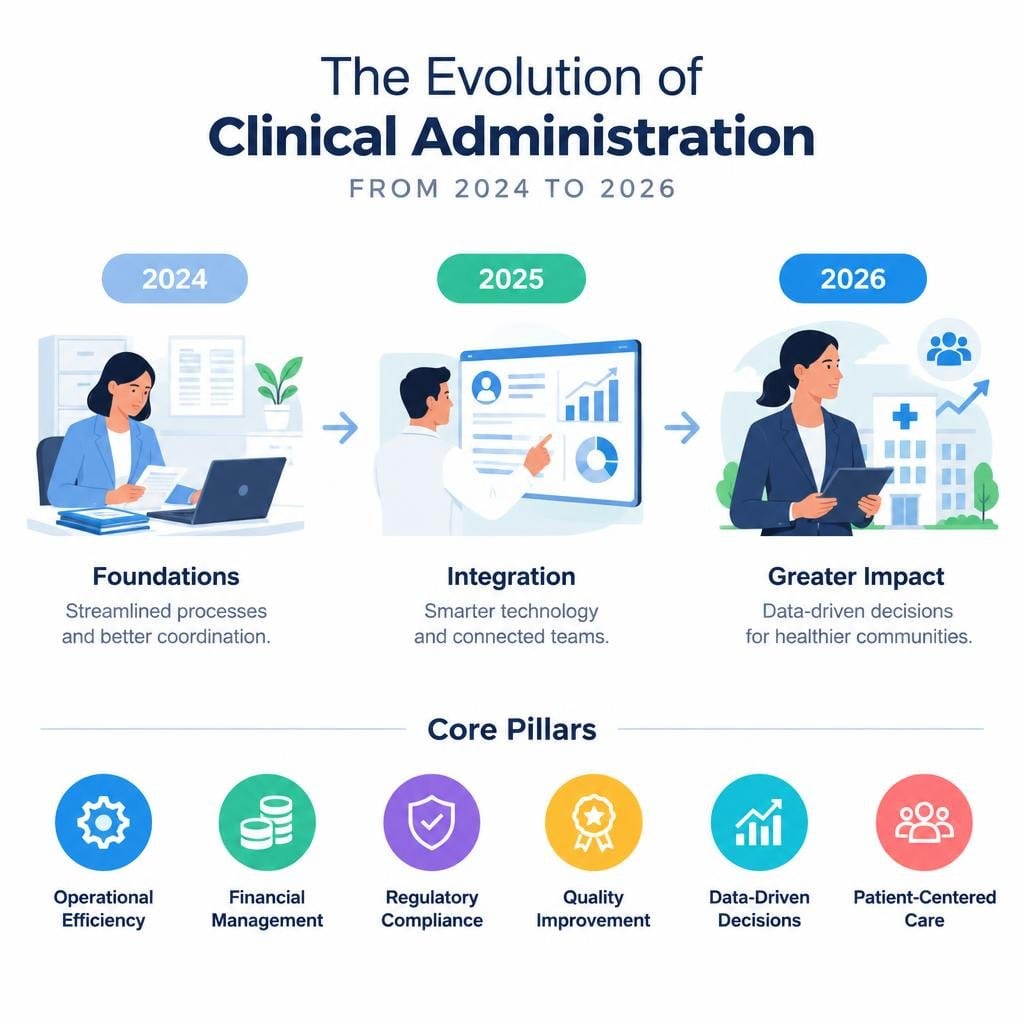
At its heart, modern healthcare services and management is about orchestrating complex systems to deliver high-quality, patient-centered care efficiently and sustainably. This involves a multi-faceted approach, underpinned by several core pillars. These include optimizing operational workflows to ensure seamless patient journeys and efficient resource utilization. Robust financial management is crucial for the fiscal health of any healthcare institution, from budgeting and revenue cycle management to strategic investment. Navigating the intricate web of regulatory compliance is non-negotiable, safeguarding patient safety and institutional integrity.
Furthermore, a relentless focus on quality metrics drives continuous improvement, ensuring that care standards are consistently met and exceeded. Perhaps most critically, data-driven decision-making has emerged as an indispensable pillar, allowing leaders to leverage insights from vast amounts of information to inform strategy, identify areas for improvement, and predict future trends. These foundational elements are particularly critical for organizations, including independent and rural hospitals, that seek to thrive in an increasingly competitive and regulated landscape.
Healthcare Administration vs. Healthcare Management
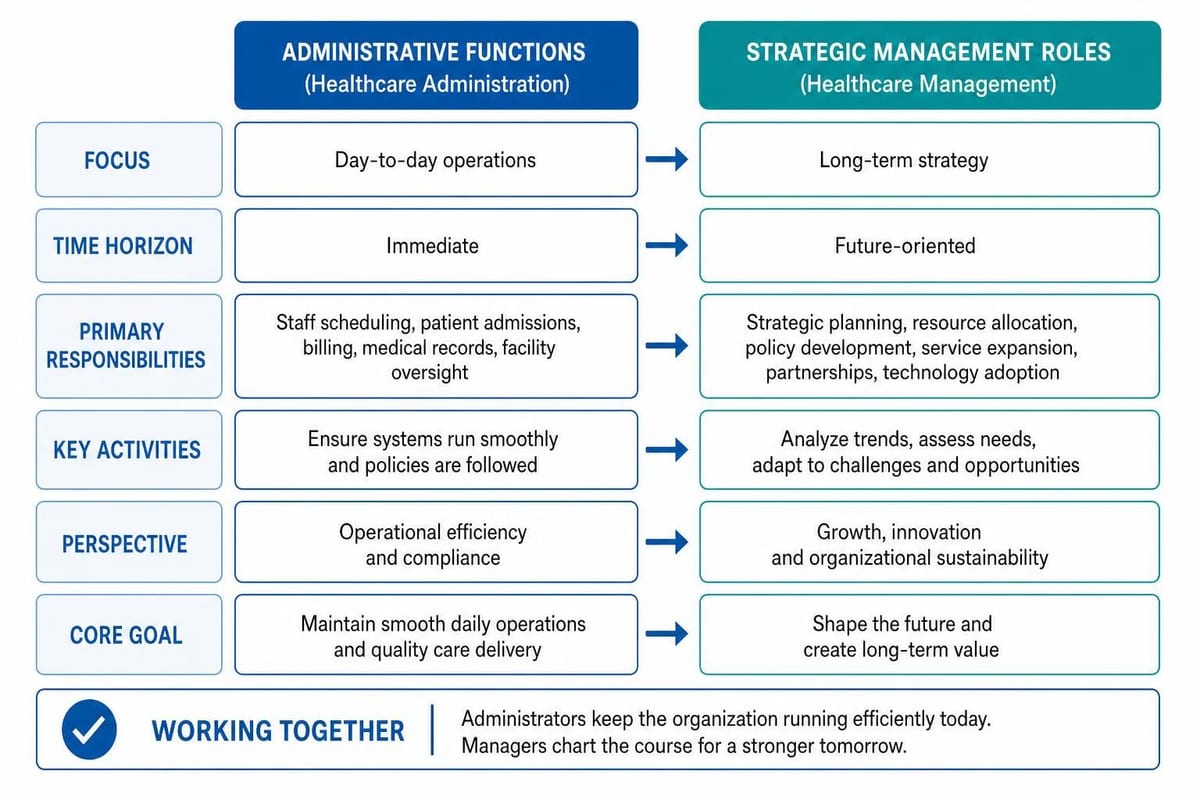
While often used interchangeably, “healthcare administration” and “healthcare management” represent distinct yet complementary facets of overseeing healthcare organizations. Healthcare administration typically focuses on the day-to-day operational aspects of a facility. Administrators are concerned with ensuring that current systems run smoothly, handling tasks such as staff scheduling, patient admissions, billing, and maintaining medical records. Their purview often includes adhering to established organizational policies and overseeing the physical facility. They ensure the immediate environment is conducive to patient care and operational efficiency.
In contrast, healthcare management tends to adopt a broader, more strategic perspective. Managers are often involved in long-term planning, resource allocation, and developing new organizational policies. They analyze market trends, assess community needs, and strategize on how to adapt the organization to future challenges and opportunities. This might involve expanding services, implementing new technologies, or forging partnerships. While administrators ensure the ship sails smoothly today, managers chart its course for tomorrow. Both roles are vital for the overall success and sustainability of a healthcare enterprise, working in tandem to achieve both immediate and long-term objectives.
Essential Leadership Competencies in Healthcare Services and Management
The dynamic nature of the healthcare sector demands a unique blend of leadership competencies. Beyond traditional management skills, today’s healthcare leaders must possess a sophisticated set of capabilities to navigate complexity and drive positive change. Emotional intelligence is paramount, enabling managers to understand and respond to the diverse needs of staff, patients, and stakeholders, fostering a supportive and productive environment. The ability to interpret and utilize data analytics is no longer a niche skill but a fundamental requirement. Leaders must be adept at translating complex data into actionable insights, informing everything from operational efficiency to patient outcomes.
Strong financial acumen is also critical, allowing managers to make sound budgetary decisions, optimize resource allocation, and ensure the fiscal health of their organizations. Given the constant evolution of healthcare, change management expertise is essential for guiding teams through transitions, whether implementing new technologies or adapting to regulatory shifts. Effective project management skills ensure that initiatives are delivered on time and within budget, while a deep commitment to patient safety underpins all decision-making, prioritizing well-being above all else. These competencies collectively empower healthcare leaders to foster innovation, maintain compliance, and ultimately enhance the delivery of care.
Transforming Clinical Operations and Practice Delivery Models
The landscape of clinical operations is undergoing a profound transformation, driven by technological advancements, evolving patient expectations, and the imperative for greater efficiency. We are witnessing a significant outpatient migration, with more procedures and consultations shifting from inpatient hospital settings to ambulatory care centers and specialized clinics. This trend emphasizes convenience and cost-effectiveness for patients. Telehealth integration has accelerated rapidly, making remote consultations and monitoring a standard component of care delivery. This expansion of virtual care necessitates robust care coordination mechanisms to ensure continuity and prevent fragmentation of services across different settings.
Furthermore, workflow automation, powered by artificial intelligence and other digital tools, is streamlining administrative tasks, reducing human error, and freeing up clinical staff to focus on direct patient care. These innovations are not just about efficiency; they are about fundamentally reshaping how care is accessed, delivered, and managed, leading to a more responsive and patient-centric healthcare system.
Value-Based Care and Outpatient Service Optimization
The shift towards value-based care models continues to redefine how healthcare providers are reimbursed and how they deliver services. This paradigm emphasizes patient outcomes and quality over the sheer volume of services provided. Consequently, optimizing outpatient services has become a strategic imperative. Performance metrics like MIPS (Merit-based Incentive Payment System) scores and adherence to PCMH-NCQA (Patient-Centered Medical Home – National Committee for Quality Assurance) standards are critical for demonstrating quality and securing favorable reimbursements. Patient satisfaction, often measured through CAHPS (Consumer Assessment of Healthcare Providers and Systems) metrics, also plays a significant role, reflecting the patient’s experience of care.
To succeed in this environment, healthcare organizations must focus on clinical standardization, ensuring consistent, evidence-based care delivery across all outpatient settings. This involves designing efficient workflows, leveraging technology to support care coordination, and fostering a culture of continuous improvement. The goal is to deliver high-quality, efficient care that not only meets but exceeds patient expectations, leading to better health outcomes and financial sustainability. This approach is not limited to traditional medical practices; even specialized fields like dentistry are embracing these principles to offer truly patient-centered dental services, focusing on comprehensive care and patient satisfaction.
Digital Health Innovations and Remote Care Integration
Digital health innovations are rapidly reshaping the delivery of healthcare, making remote care integration not just a possibility, but a necessity. Predictive analytics, for instance, allows healthcare systems to anticipate patient needs, identify at-risk populations, and intervene proactively, leading to better outcomes and reduced costs. The widespread adoption of electronic health records (EHRs) has created a foundation for seamless information exchange, though interoperability remains an ongoing focus. These digital tools facilitate virtual consults, allowing patients to connect with providers from the comfort of their homes, improving access and convenience.
This expansion of remote care also opens avenues for specialized services, such as obtaining direct-pay telemedicine second-opinions, which can offer patients expert insights regardless of geographical barriers. Healthtech integration, encompassing everything from wearable devices to sophisticated diagnostic software, is further enhancing patient access and enabling continuous monitoring. These innovations collectively empower patients, streamline operations, and extend the reach of quality care beyond traditional clinical settings, representing a significant leap forward in healthcare delivery.
Educational Pathways and Professional Advancement
For those aspiring to lead in the healthcare sector, a diverse array of educational pathways and opportunities for professional advancement exists. Programs typically adhere to rigorous accreditation standards set by bodies such as CAHIIM (Commission on Accreditation for Health Informatics and Information Management Education) or AUPHA (Association of University Programs in Health Administration), ensuring a high-quality curriculum design that prepares graduates for real-world challenges. Many programs also incorporate practical residencies or internships, providing invaluable hands-on experience that bridges the gap between academic learning and professional practice. These experiences are crucial for developing the practical skills and insights needed to excel in healthcare management.
Educational Pathways in Healthcare Services and Management
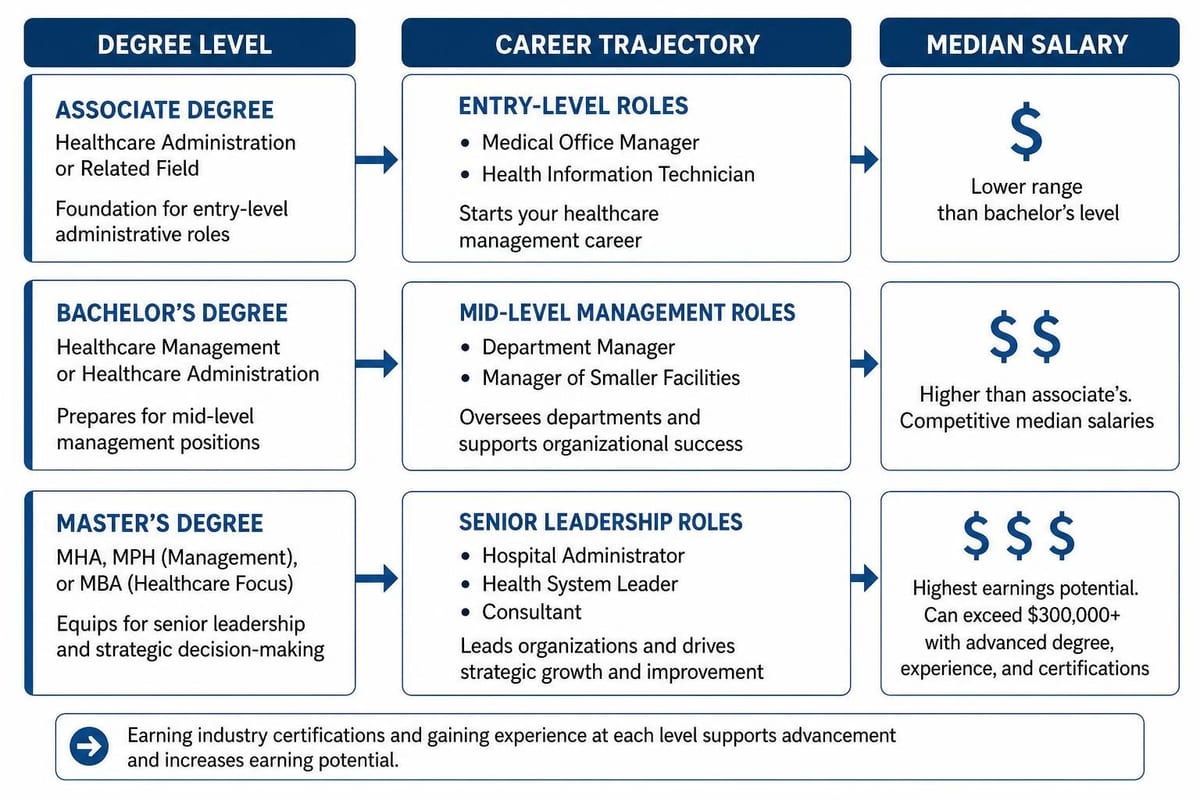
A career in healthcare services and management can begin at various educational levels, each offering distinct opportunities and career trajectories. Associate degrees in healthcare administration or related fields provide foundational knowledge and can lead to entry-level administrative roles, such as medical office manager or health information technician. These programs are often designed for quick entry into the workforce and may allow for credit transfers to bachelor’s programs.
Bachelor’s programs, such as a Bachelor of Science in Healthcare Management or Healthcare Administration, delve deeper into areas like organizational behavior, financial management, policy, and health informatics. Graduates from these programs are well-prepared for mid-level management positions, overseeing departments or smaller facilities. Many online bachelor’s programs, like those offered by Southern New Hampshire University or Charter Oak State College, provide flexibility and strong career outcomes, with some reporting high employment rates and competitive median salaries. Students in these programs can often gain experience through remote internships or virtual projects, crucial for building a professional portfolio.
For those aiming for senior leadership roles, master’s degrees—such as a Master of Health Administration (MHA), Master of Public Health (MPH) with a concentration in management, or an MBA with a healthcare focus—are often essential. These advanced degrees equip professionals with strategic planning, complex problem-solving, and executive leadership skills, opening doors to hospital administration, health system leadership, and consulting roles. The highest salaries in healthcare management, often exceeding $300,000 annually, typically require a master’s degree, extensive experience, and specialized certifications. The choice of pathway depends on individual career aspirations, desired level of responsibility, and long-term professional goals.
Industry Certifications and Career Progression
Beyond formal degrees, industry certifications play a vital role in professional development and career progression within healthcare management. These credentials demonstrate specialized knowledge and a commitment to excellence, often leading to increased responsibilities and higher earning potential. For instance, the FACHE (Fellow of the American College of Healthcare Executives) credential signifies advanced leadership and management expertise, often sought by executives in hospitals and health systems. The CPHQ (Certified Professional in Healthcare Quality) certification is crucial for professionals focused on quality improvement and patient safety, ensuring they are equipped to drive continuous enhancement in care delivery.
For those in health information management, the RHIA (Registered Health Information Administrator) licensure is a key credential, validating expertise in managing patient health information and medical records. Similarly, the CMOM (Certified Medical Office Manager) designation is beneficial for those overseeing medical practices, demonstrating proficiency in operational and financial management. Pursuing these certifications, often in conjunction with a master’s degree and practical experience, can significantly accelerate leadership growth and positively impact one’s salary trajectory. These credentials not only enhance individual career prospects but also elevate the standards of professionalism across the entire healthcare management field.
Industry Job Outlook, Compensation, and Workforce Trends
The job outlook for medical and health services managers remains exceptionally strong, reflecting the ongoing growth and increasing complexity of the healthcare industry. According to the U.S. Bureau of Labor Statistics (BLS), employment of medical and health services managers is projected to grow 23% from 2024 to 2034, a rate much faster than the average for all U.S. occupations. This translates to an estimated 62,100 annual openings for these professionals each year through 2034, driven by an aging population, longer life spans, and the expanding need for efficient healthcare services.
Compensation in this field is competitive, with the median annual salary for medical and health services managers approximately $100,000 per year. However, this figure can vary significantly based on factors such as education, experience, geographic location, and the type and size of the healthcare facility. For highly experienced professionals with master’s degrees and specialized certifications, salaries can reach up to $300,000 per year, particularly in senior executive roles. Workforce trends indicate a growing demand for managers who are adept at data analytics, technology integration, and value-based care models, underscoring the need for continuous learning and adaptation in this dynamic profession.
Emerging Operational Models and Virtual Practice Leadership
The healthcare sector is witnessing the rise of innovative operational models and the increasing prominence of virtual practice leadership. These models are often designed to address challenges such as workforce shortages, financial constraints, and the need for greater efficiency. Interim leadership, for example, provides experienced managers to organizations during periods of transition or crisis, offering stability and expertise for operational turnaround. This can be particularly vital for smaller facilities or those undergoing significant restructuring.
The concept of a “virtual COO” (Chief Operating Officer) is also gaining traction, especially for independent and rural hospitals. This model involves external experts providing hands-on operational support, strategic guidance, and transparent analytics to optimize performance without the overhead of a full-time executive. This partnership approach can significantly enhance revenue cycle management, risk adjustment, and overall financial stability. Furthermore, strategies for workforce retention are becoming paramount, as skilled healthcare professionals are in high demand. Virtual practice leadership leverages technology to manage remote teams, coordinate care across distributed networks, and ensure consistent quality, adapting to the evolving needs of both patients and providers in a digitally connected world.
Frequently Asked Questions About Healthcare Management
What is the primary difference between clinical healthcare roles and health services administration?
The fundamental distinction lies in their direct involvement with patient care. Clinical healthcare roles, such as doctors, nurses, and therapists, directly provide medical treatment, diagnosis, and hands-on patient care. Their primary focus is on the clinical delivery of services. Health services administration, on the other hand, operates behind the scenes. Administrators and managers oversee the operational workflows, regulatory compliance, and overall coordination of resources necessary for clinical staff to perform their duties effectively. While they do not directly treat patients, their work ensures that the healthcare environment is efficient, safe, and well-organized, indirectly impacting patient care quality and access.
What degree and certification combination offers the highest return on investment in healthcare management?
For aspiring leaders seeking the highest return on investment, a combination of a master’s degree—specifically a Master of Health Administration (MHA) or an MBA with a healthcare specialization—paired with executive-level certifications tends to yield the best results. An MHA provides specialized knowledge in healthcare systems, policy, and management, while an MBA offers a broader business perspective applicable to healthcare. Complementing these degrees with a prestigious credential like the FACHE (Fellow of the American College of Healthcare Executives) significantly enhances executive leadership potential and salary upside. Additionally, specialized certifications, such as the CPHQ for quality improvement or the RHIA for health information management, can further boost marketability and expertise in niche areas, leading to advanced roles and higher compensation.
How can online healthcare management students obtain hands-on administrative experience?
Online students have several excellent avenues for gaining practical administrative experience, even without a traditional on-campus presence. Remote practicums and virtual internships with healthcare organizations or healthtech startups are increasingly common, allowing students to contribute to projects involving data analytics, policy research, or operational planning. Networking on platforms like LinkedIn can connect students with professionals offering virtual shadowing opportunities or mentorship. Many programs also incorporate project-based learning that simulates real-world challenges, such as developing a strategic plan for a healthcare facility or analyzing a healthcare system’s financial performance. Engaging in volunteer work with local health organizations or participating in relevant professional associations can also provide valuable experience and networking opportunities.
Conclusion
The field of healthcare services and management is undeniably complex, yet it offers immense opportunities for those dedicated to making a profound impact. As we have explored, effective management is the strategic backbone that enables modern operations, drives care transformation, and ultimately ensures sustainable healthcare delivery. From the nuanced differences between administration and management to the critical leadership competencies required, every aspect plays a role in shaping a responsive and efficient system.
The continuous evolution of clinical operations, spurred by value-based care and digital innovations, underscores the need for adaptable and forward-thinking leaders. Educational pathways, fortified by robust accreditation and valuable certifications, prepare a new generation of professionals to meet these demands. With a projected job growth much faster than the national average, the future for medical and health services managers is not only promising but essential. By embracing strategic leadership and committing to operational excellence, we can collectively build a healthcare system that is more accessible, equitable, and effective for all.