
Every payday, many people look at their bank accounts and wonder where their money went. Bills get paid, small treats add up, and savings balances stay flat. Yet building steady wealth does not require extreme suffering or a huge income.
Japanese money habits offer a peaceful way to handle your pay. You use daily awareness, simple paper tools, and thoughtful spending. Instead of tracking numbers with stressful rules, these traditions help you pause and think. They connect your daily choices to what you truly value, so you can grow quiet savings on any wage.
Key Takeaways
- Mindful friction over automated apps: Writing down purchases with pen and paper slows your thoughts. This helps stop you from buying things on a whim.
- Four simple spending pillars: Putting costs into needs, wants, culture, and unexpected expenses brings clear order to your money.
- The eighty percent principle: Live on eighty percent of your pay and save twenty percent. This builds a reliable cash cushion.
- Respect for material possessions: Taking good care of your things keeps you from buying replacements. That stops costly shopping habits early.
- Gratitude over financial fear: Being thankful for incoming and outgoing cash eases money stress. It stops guilt from driving you to go on shopping sprees.
In this guide
- What Are Japanese Money Habits, and Why Do They Work?
- How Does the 1904 Kakeibo Method Organize Household Spending?
- Why Does Handwriting Your Expenses Outperform Budgeting Apps?
- How Does Hara Hachi Bu Turn Dietary Discipline into Automatic Savings?
- How Do Mottainai and Danshari Eliminate Clutter and Waste?
- What Is 'Arigato Money' and How Does Gratitude Ease Financial Stress?
- From Cash Reserves to Investing: How Is Japanese Wealth Evolving?
- Frequently Asked Questions
- Conclusion: Building Quiet Wealth One Mindful Choice at a Time
What Are Japanese Money Habits, and Why Do They Work?
Japanese money habits teach you to think carefully about your cash. You grow your savings quietly and spend with purpose. You also reflect calmly instead of showing off to other people.
Most modern money advice pushes software tools, quick shortcuts, and strict deprivation. But those methods often fail because they make spending feel completely invisible. When you simply tap a card, you lose touch with the physical value of your time. In fact, you end up buying things you do not even want. Japanese approaches treat household cash flow in a very different way. Instead of treating money like cold math, they treat it as an active part of daily peaceful living.
By the Numbers: The Modern Savings Gap
The U.S. personal saving rate stood at 4.1% of disposable personal income as of October 2026, according to the U.S. Bureau of Economic Analysis. This low rate shows how easy it is to spend money when digital tools remove all daily friction.
The Contrast Between Western Consumerism and Quiet Wealth
In many Western towns, status often means showing off your stuff. People buy shiny cars, new gadgets, and brand-name clothes to impress others. But traditional Japanese financial culture prizes quiet wealth that grows steadily away from public view. You feel little pressure to look rich when your neighbors value quiet dignity, modesty, and taking care of household tools.
This simple shift changes how you view your wages. For example, when you stop buying items to impress casual strangers, your hard-earned pay stays in your pocket. You no longer feel an urge to empty your checking balance just because the cash sits there. That single change helps protect your household security month after month.
Quiet wealth brings deep peace of mind. You do not chase trends because you do not link your self-worth to bought items. Instead, you focus on real comfort, lasting stability, and strong safety funds. Saving money feels natural rather than strict because you like quiet progress better than flashy status.
How Mindfulness Replaces Severe Deprivation
Crash diets fail because starving yourself leads to overeating. Strict budgets fail for that exact same reason. When a budget bans every fun outing, people rebel and buy things to feel better. But mindful Japanese money habits stop that painful cycle. They remove feelings of guilt from your spending tracker.
Under these ideas, you never call a purchase good or bad. Instead, you look at your past spending with honest curiosity. You notice which purchases brought real joy and which ones left you feeling empty. So, you can cut low-value habits without feeling punished. You protect the things that matter most while trimming away mindless waste.
Over time, this calm awareness shapes your everyday habits. You begin to question routine buys before reaching for your wallet. As a result, you waste far less cash on fleeting impulses, so your savings grow without harsh rules.
How Does the 1904 Kakeibo Method Organize Household Spending?
The Kakeibo method sorts your household spending in a paper journal. You track daily cash spending across four main pillars. Then, four monthly questions help you reflect on your habits.
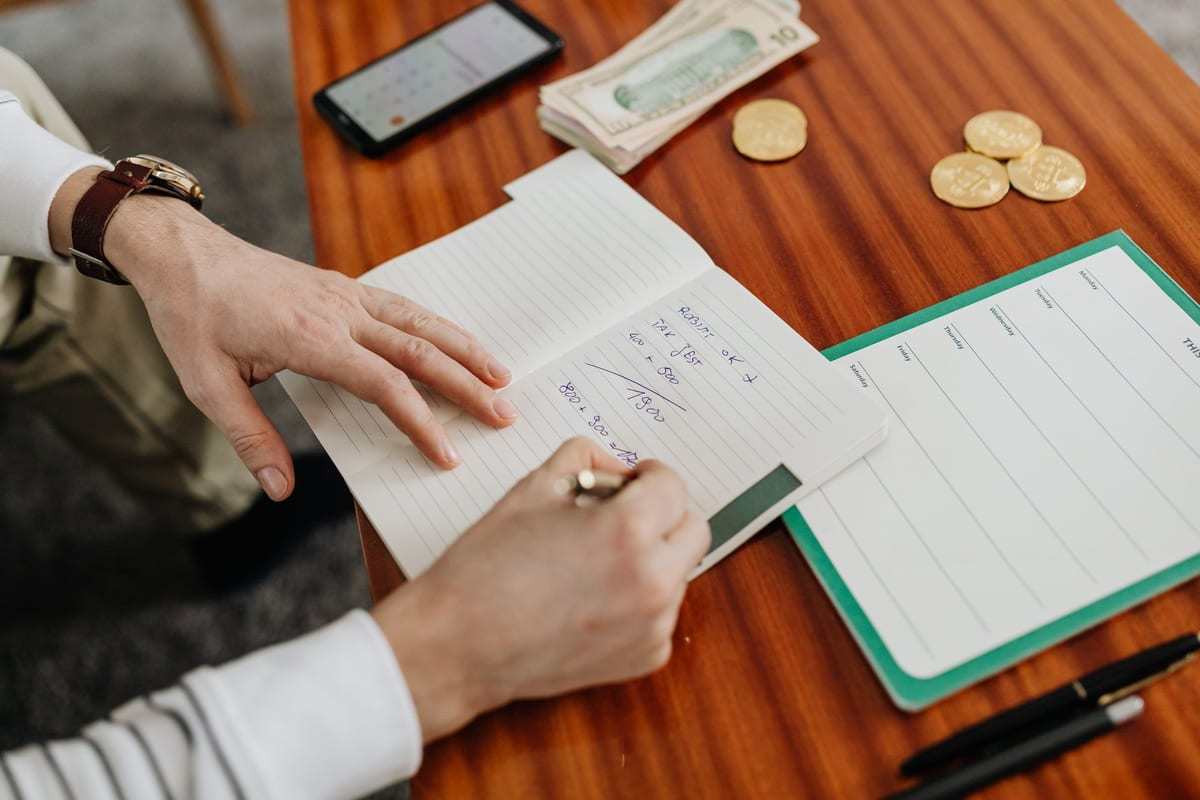
Families still use a simple paper routine to take charge of their money today. That is more than a century after it began! Hani Motoko designed this practical ledger so women could run their home spending. People know her as Japan’s first female newspaper journalist, and she created Kakeibo in 1904.
Hani Motoko and the Birth of Household Budgeting Ledgers
At the start of the twentieth century, life in Japan shifted quickly toward cash wages. Homemakers needed an easy way to track family money without complex math. Hani Motoko understood that peace of mind took real care instead of guessing. So she made a simple daily notebook that anyone could use at home.
Her tool proved that managing money well does not need special math training. In fact, Kakeibo was built for ordinary people working with ordinary household wages. Motoko kept the steps simple. She turned a stressful chore into a calm daily habit that brings clear thinking in just a few minutes each day.
“When you write down your expenses, you become more aware of your spending. And when you become aware, you can start making better decisions.”— Arun Singh, Personal Finance Writer
Motoko believed that financial control helps build personal confidence. When you know where every coin goes, you stop fearing your bills. You can plan for the future with hope instead of dread, which gives everyday earners real strength.
The Four Essential Spending Pillars
Modern phone budget apps often use dozens of confusing tags. But Kakeibo cuts right through that mess. The traditional Kakeibo method splits family spending into four clear groups: needs, wants, culture, and unexpected expenses.
- Needs: Basic items for daily life, such as rent, simple food, transit, and medical care.
- Wants: Fun items that bring quick joy, like takeout food, new clothes, and casual shopping trips.
- Culture: Fun items that feed your mind, like books, museum tickets, concerts, and learning classes.
- Unexpected: Surprise costs that pop up without warning, like urgent repairs or doctor bills.
Separating wants from culture is a key strength of Kakeibo. Most modern budgets lump a great book and a fast-food snack into generic entertainment. But Kakeibo urges you to feed your personal growth through culture while trimming away empty wants that add no lasting value.
The Four Reflection Questions That Drive Accountability
Writing down costs without thinking is just busywork. Kakeibo asks four monthly questions about income, savings goals, actual spending, and better habits. You open your notebook at the start and end of each month to answer them honestly:
- How much money do you have available this month?
- How much money would you like to put into savings?
- How much money are you actually spending across the four pillars?
- How can you improve your habits in the coming month?
These four simple prompts keep you accountable without spreadsheets. Because you answer them by hand, you see whether your real choices matched your stated goals. Then, you can make gentle tweaks for the next cycle without feeling defeated.
Overview of Japanese Budgeting and Money Philosophies
| Method or Concept | Origin or Founder | Core Operational Focus | Key Practical Benefit |
|---|---|---|---|
Kakeibo | Hani Motoko (1904) | Four spending categories and four monthly reflection questions | Heightens spending awareness to build steady cash savings |
Hara Hachi Bu | Okinawa, Japan | Living on 80% of income while saving 20% | Creates an automatic savings margin without severe deprivation |
Mottainai | Traditional Japanese concept | Regret over waste; repair items with techniques like Kintsugi | Eliminates replacement spending by maximizing material life |
Danshari | Hideko Yamashita | Three principles: refuse excess, dispose of clutter, detach from desire | Curbs impulse retail shopping by clarifying real needs |
Arigato Money | Ken Honda | Expressing gratitude when receiving and spending money | Dissolves fear and scarcity mindsets around daily finances |
Why Does Handwriting Your Expenses Outperform Budgeting Apps?
Handwriting your expenses works better than digital budgeting apps. Writing by hand slows your mind down and helps you remember things. It also adds healthy physical friction to every purchase you make.
In our modern world, using a paper notebook might feel old-fashioned. Most people assume that linking bank cards to automated apps is the best route. Yet automated apps have a big weakness: they do all the thinking for you. Because the app sorts your receipts silently in the background, you never have to face what you bought.
What This Means for You: The Paper Ledger Advantage
People who stick to the handwritten Kakeibo method become much more aware of their spending. They report saving between 25% and 35% of their income through this awareness. Writing your daily costs in a paper journal helps you build a solid savings cushion on an ordinary wage.
The Cognitive Impact of Pen and Paper on Impulsive Buying
Writing with a pen changes how your brain handles numbers. Brain scan and cognitive research gathered in the journal PMC proves this. Handwriting turns on a much wider network of motor and sensory neural circuits than typing. This helps your memory and lets you process money choices mindfully.
When you write by hand, your fingers form unique shapes for each word and cost. That physical touch forces you to pay close attention to the money leaving your hands. For example, you remember a wasteful meal because you wrote it out on the page. In short, handwriting transforms passive accounting into an active psychological reality.
Because your brain stores that written memory deeply, you carry that awareness into your next shopping trip. You hesitate before grabbing an item from the shelf because you picture yourself writing it down later. That tiny mental pause is often all it takes to stop an impulse purchase in its tracks.
Eliminating the Frictionless Payment Trap
Modern checkouts are built to make spending as quick as possible. Tapping a plastic card or using your phone removes the physical sting of parting with your resources. But that speed can damage your household savings.
MIT studies looked at how people pay for things. They found that cards and phone apps reduce the mental sting of spending money. In fact, this doubles how willing people are to spend compared to using cash. You buy more when you do not hold real paper money. But writing each cost in a paper journal slows you down. That makes buying extra junk feel much less tempting.
How Does Hara Hachi Bu Turn Dietary Discipline into Automatic Savings?
Hara Hachi Bu takes a healthy eating rule and turns it into automatic savings. It teaches you to live easily on eighty percent of your earnings. Then, you put the remaining twenty percent straight into the bank.
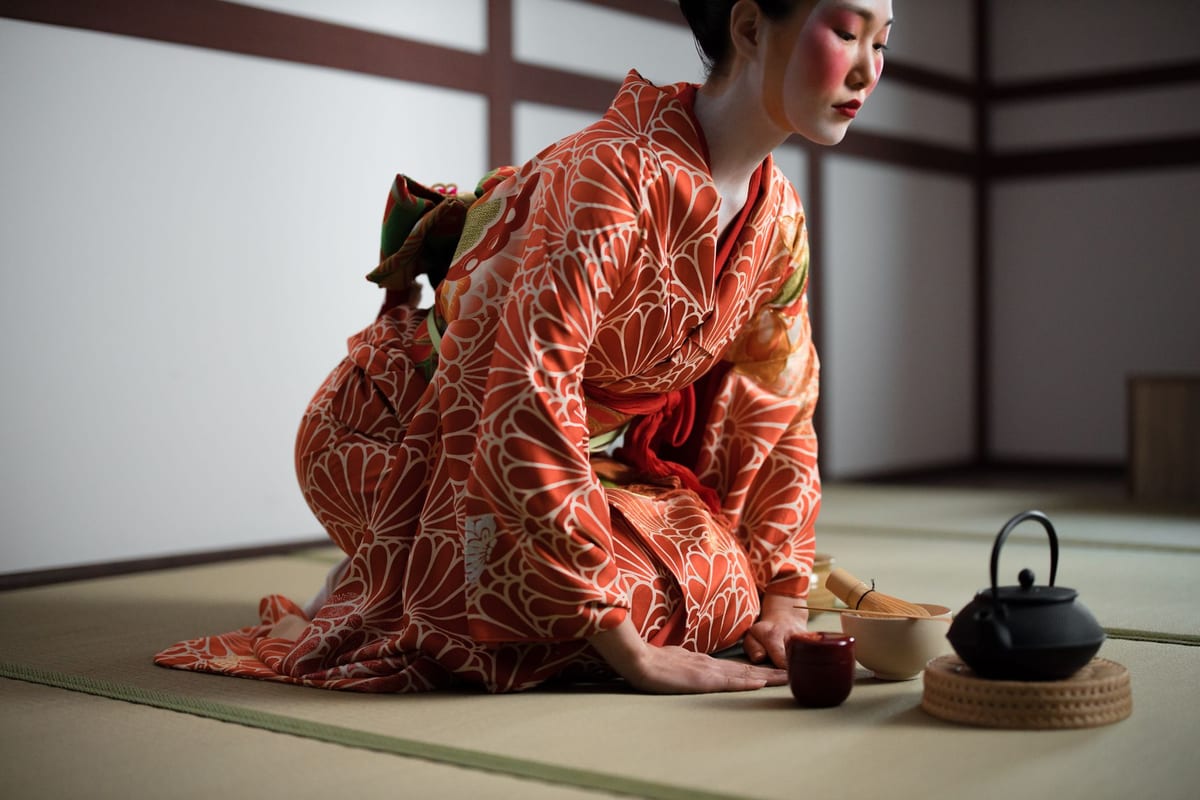
Hara Hachi Bu started on the Japanese island of Okinawa as an eating rule. It tells people to eat until they are 80% full. In money planning, this means living on 80% of your income while saving 20%. In Okinawa, people use this habit to stay healthy and live long lives. When you apply it to money, it keeps you from overstuffing your life with unneeded buys.
From Okinawan Longevity to Paycheck Management
When you sit down to eat, your stomach needs time to signal your brain that you have eaten enough. If you keep eating until you feel completely full, you have eaten far too much. The Okinawan answer is simple: stop eating when you feel mostly satisfied, rather than stuffed.
Your monthly paycheck works in the very same way. Many households spend every dollar of their income simply because it sits in their account. If their wages go up, their spending rises just as fast to match it. But by adopting Hara Hachi Bu, you deliberately cap your consumption at eighty percent, giving your budget room to breathe.
Worked Example: The 80/20 Paycheck Split
Here is how you use the Okinawan eighty percent rule for your household money:
- Living Expenses (80%): You use 80% of your take-home pay to cover your needs, modest wants, culture, and routine bills.
- Automatic Savings (20%): You put the remaining 20% of your pay straight into cash savings before spending any money.
- Core Benefit: When you live on 80% and save 20%, you build lasting safety without giving up happiness.
This simple split protects your money when your lifestyle gets pricier. It also builds a steady cash cushion over time.
Allocating the 80/20 Cash Split on a Modest Wage
Using an eighty-twenty split on an ordinary income might sound tricky at first. Yet the secret is setting aside savings before spending begins. On payday, move your twenty percent portion straight into your savings account. Do not leave that cash in your daily spending account where you can easily spend it.
When you run your household on eighty percent of your pay, creative habits develop naturally. For example, you pack home lunches, brew coffee in your kitchen, and cancel digital subscriptions you rarely watch. Soon, you realize you do not miss that extra twenty percent at all. Instead, you feel calm, steady, and secure.
If saving twenty percent feels difficult right away, do not despair. You can work toward that benchmark step by step as you build spending awareness. The key is setting a clear boundary between what you spend and what you save each month.
How Do Mottainai and Danshari Eliminate Clutter and Waste?
Mottainai and Danshari wipe out home clutter and waste. They urge you to fix what you own and stop shopping without thinking.
Many homes are crowded with items bought on a whim and forgotten within weeks. Every dusty gadget or unworn shirt represents money that could have backed your freedom. Two Japanese ideas work together to halt this cycle of regret and waste.
Mottainai: Valuing Possessions Through Repair Over Replacement
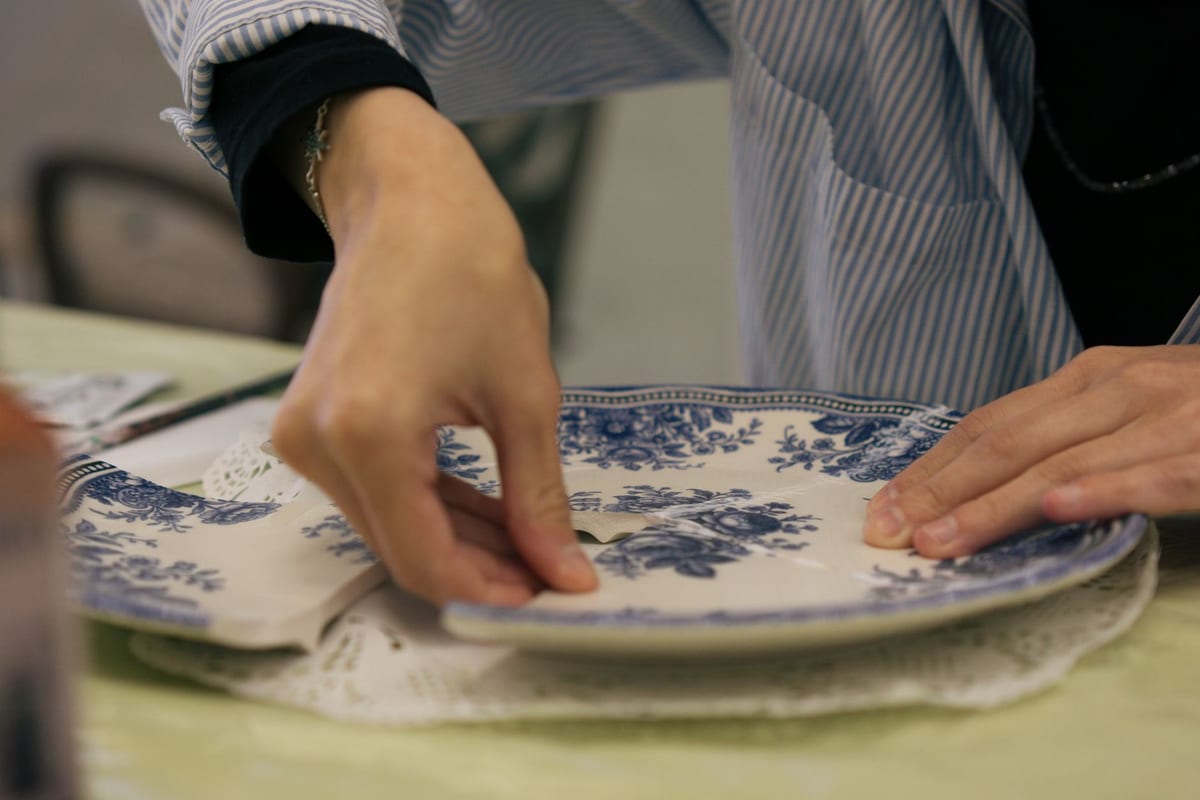
The Japanese philosophy of Mottainai means feeling regret over waste. It urges people to get full value from their belongings through repair methods like Kintsugi instead of replacing them. When a ceramic bowl breaks, traditional craftsmen do not toss the pieces into the trash. Instead, they mend the cracks with gold lacquer using Kintsugi. This turns the break into an attractive feature.
In your personal budget, Mottainai means honoring the labor that paid for your belongings. For instance, you clean and oil your boots instead of buying new footwear. You mend a torn seam or fix a loose table leg instead of replacing the entire item. In fact, treating possessions with deep respect keeps your hard-earned money out of replacement stores. You learn to take pride in how long your things last.
This mindset also changes how you treat everyday food and household supplies. You plan meals to avoid throwing away fresh groceries. You use household products down to the last drop. Because you waste nothing, your regular living costs shrink without any drop in your comfort.
Glossary of Mindful Japanese Wealth Concepts
Mottainai
A deep cultural sense of regret over wasting physical resources, leading people to repair and use items fully.
Kintsugi
The traditional art of repairing cracked ceramics with precious gold lacquer, honoring an item’s history instead of throwing it away.
Danshari
A decluttering method created by Hideko Yamashita that breaks material detachment into three distinct principles.
Danshari: Detaching From Material Clutter and Shopping Desires
Mottainai means treasuring what you have, but Danshari keeps new mess out of your home. Japanese author Hideko Yamashita created the term Danshari. She breaks this idea into three parts: Dan (refusing excess), Sha (tossing clutter), and Ri (letting go of wanting things).
Here is how Yamashita’s three principles help your wallet:
- Dan (Refuse): You say no to promotional freebies, cheap novelties, and impulse deals. You refuse to bring items home simply because they are cheap.
- Sha (Dispose): You clear away broken or unused objects that clutter your living space, giving yourself room to breathe.
- Ri (Detach): You break the mental craving for new possessions. You see that buying things will not bring lasting peace or self-worth.
When you practice Danshari, shopping is no longer an idle weekend pastime. You do not browse online shops or visit shopping malls when you feel bored. Instead, you enjoy the space and freedom of an uncluttered home, and your bank account stays full.
What Is ‘Arigato Money’ and How Does Gratitude Ease Financial Stress?
Arigato Money is a calm habit that cools money fear. You show real thanks whenever cash comes in or goes out for goods and services.
Handling cash is never just simple math. It connects closely to our feelings. For many, opening a bill or checking a bank account brings fast stress and worry. Japanese author Ken Honda shared the idea of Arigato Money. He tells people to thank their money when receiving or spending it. This gratitude melts away fear and a scarcity mindset.
Healing Emotional Stress Surrounding Weekly Cash Flow
When you pay a utility bill with anger, you treat money like an enemy. You start to view personal finance as an endless series of painful hits. That ongoing anxiety often leads to emotional shopping sprees later on as your brain looks for quick comfort from stress.
Ken Honda shows that shifting your focus breaks this painful cycle. For example, when a heating bill arrives, pause and think about what that payment gave you. That payment kept your home warm, kept your food cold, and powered your lamps. Thus, choosing gratitude replaces scarcity anxiety with calm appreciation.
This calm feeling stops you from spending out of panic or frustration. You feel thankful for what you have, so you no longer feel a hollow urge to buy new things to cheer yourself up. Your emotional balance settles, and your spending cools down.
Saying Thank You to Inflows and Outflows
Using Arigato Money is very simple in daily life. Say a quiet thank you whenever money comes your way, like from a paycheck or a small refund. Notice your hard work and enjoy the safety that money brings.
Just as importantly, say thank you when money leaves your hands. When you buy groceries, thank the cash for nourishing your family. Thank the clerk, the truck drivers, and the growers who made that meal possible. When you see money as an ongoing cycle of helpful service, money fear fades away. Then, you can make clear, sound financial choices.
From Cash Reserves to Investing: How Is Japanese Wealth Evolving?
Japanese wealth habits are changing. For a long time, people kept their cash in bank accounts. Now, they are shifting toward long-term stock investing with support from the government.
Japanese families have long been famous for saving money. Many kept cash in zero-interest bank accounts because they wanted total safety. Today, big policy updates encourage everyday earners to invest their savings. Spreading money into varied funds helps it grow over time.

The Traditional Reliance on Cash and Bank Deposits
After past hard money times, Japanese families learned to prize safety most of all. Keeping cash yen in local banks or home safes felt much safer than risky markets. That careful habit built huge family cash piles across the country.
Cash and bank deposits held by Japanese households totaled ¥1,132 trillion, accounting for 44.9% of their total ¥2,519 trillion in financial assets as of the second quarter of 2026. That massive cash pile shows remarkable discipline. But holding so much cash in plain deposits brings its own risk, because inflation slowly reduces what that cash can buy over time.
As prices climb, idle money loses value. That is why preserving wealth over decades requires more than simply hoarding paper bills. You need an approach that protects your savings from rising living costs.
The Nationwide Transition Toward Long-Term NISA Investing
Japan’s government created the Nippon Individual Savings Account (NISA) to protect cash from rising prices. This program gives regular workers tax-free investment accounts to build wealth over time. Recent changes have made the plan much more popular across the nation.
Older reports showed 7.8 million Tsumitate NISA accounts opened since 2018. New numbers from Japan’s Financial Services Agency show total NISA accounts passed 28.2 million after big program updates in 2024. In short, Japan is blending traditional frugality with modern investment growth. Everyday families are learning that saving money is only the first step. Letting savings grow quietly in varied funds finishes your journey to true money freedom.
Household Balance Sheet and Savings Benchmarks
| Metric and Asset Category | Reported Value or Benchmark | Reporting Source | Data Timeline |
|---|---|---|---|
| Household Cash and Bank Deposits | ¥1,132 trillion | Bank of Japan | As of Q2 2026 |
| Total Household Financial Assets | ¥2,519 trillion | Bank of Japan | As of Q2 2026 |
| Cash Share of Total Financial Assets | 44.9% | Bank of Japan | As of Q2 2026 |
| Total Active NISA Accounts | Surpassed 28.2 million | Financial Services Agency | Post-2024 overhaul (reported 2025/2026) |
| U.S. Personal Saving Rate | 4.1% of disposable income | Bureau of Economic Analysis | As of October 2026 |
Frequently Asked Questions
What is the Kakeibo budgeting method, and how do you use it step-by-step?
Kakeibo is a manual budgeting method invented in 1904 by Hani Motoko. To use it, you write down your income, set a savings goal, and track daily spending across four categories. At the end of each month, you answer four reflection questions to improve your future spending habits.
Why does Kakeibo require handwriting expenses in a paper notebook instead of using an app?
Writing by hand slows you down in a way phone typing cannot match. Brain research in the journal PMC shows handwriting lights up more movement and sensory brain circuits than typing. This extra brain activity boosts your memory. It also helps you stop buying things on impulse before you spend.
What are the four spending categories used in a traditional Kakeibo journal?
The classic Kakeibo method splits spending into four clear groups: needs, wants, culture, and unexpected costs. Needs cover basics like groceries and rent. Wants cover extra fun treats. Culture covers good books and fun events. Unexpected expenses cover surprise costs like repairs.
How does the 80% rule (Hara Hachi Bu) apply to personal budgeting and paychecks?
Hara Hachi Bu originated in Okinawa as a rule to eat until 80% full. In personal finance, you adapt this principle by living on 80% of your take-home pay while setting aside the remaining 20% into savings. This habit builds a steady cushion without making your daily life feel restricted.
What can I do if saving 20% of my income is impossible due to high rent and inflation?
If saving 20% feels too high right now, start with a smaller target. Consistent practice with Kakeibo helps people save between 25% and 35% over time by building awareness. Review your wants category, write down every purchase, and raise your savings rate slowly as your habits improve.
How does the Japanese concept of Mottainai help people cut everyday expenses?
Mottainai means feeling deep regret when things go to waste. It urges you to use things fully by caring for them and fixing broken items through arts like Kintsugi instead of buying replacements. Valuing what you own cuts repeat shopping costs and protects your monthly budget.
What is the Danshari method, and how does decluttering prevent impulse shopping?
Author Hideko Yamashita created Danshari with three ideas: Dan (refusing excess), Sha (clearing clutter), and Ri (letting go of desire for things). Clearing out mess breaks your craving for new goods. You stop buying things you do not need, so you save your family cash.
What is Ken Honda’s ‘Arigato Money’ practice, and how does it change a scarcity mindset?
Ken Honda created Arigato Money to help people show gratitude when receiving and spending cash. Saying thank you when paying bills reminds you of the helpful goods and services you got. This positive view melts away money fears, eases stress, and stops guilt-driven shopping trips.
Conclusion: Building Quiet Wealth One Mindful Choice at a Time
Building real wealth does not require extreme suffering or tricky investment schemes. By using the quiet wisdom of Japanese money habits, you can take steady control of your finances. When you pick up a pen, track your costs, and treat your earnings with care, managing money stops feeling like a punishment and starts feeling like self-respect.
“True wealth is built quietly, in this island nation without fanfare or show.”— Holly Burns, Financial Contributor
Your path to financial peace can begin today with one easy step. Grab a simple paper notebook and write down every single expense you make starting today. Do not judge your past choices or worry about small errors; just write down each cost by hand. As you bring clear awareness to your money, quiet wealth will grow on its own.
References
- What Is the Kakeibo Budgeting Method? – SoFi
- Happy Money: The Japanese Art of Making Peace with Your Money – Ken Honda
- Beyond equity: The next NISA product opportunity in fixed income and balanced funds – FSA
- Personal Saving Rate | U.S. Bureau of Economic Analysis (BEA)
- The Neuroscience Behind Writing: Handwriting vs. Typing—Who Wins the Battle? – PMC
- Japan household investment trust holdings hit ¥193 trillion; cash and deposits dominate at 44.9% – Bank of Japan Flow of Funds
- Always Leave Home Without It: A Further Investigation of the Credit-Card Effect on Willingness to Pay – Marketing Letters