
Key Takeaways
- Dr. Zbigniew Religa performed a 23-hour heart transplant in Zabrze, Poland in 1987.
- The patient, Tadeusz Zhitkevich, lived 30 more years after being told he wouldn’t survive.
- The iconic photo taken during the surgery became a global symbol of dedication and hope.
- The operation was done with minimal equipment, showcasing the power of human skill over technology.
Introduction: When A Photograph Changed Everything
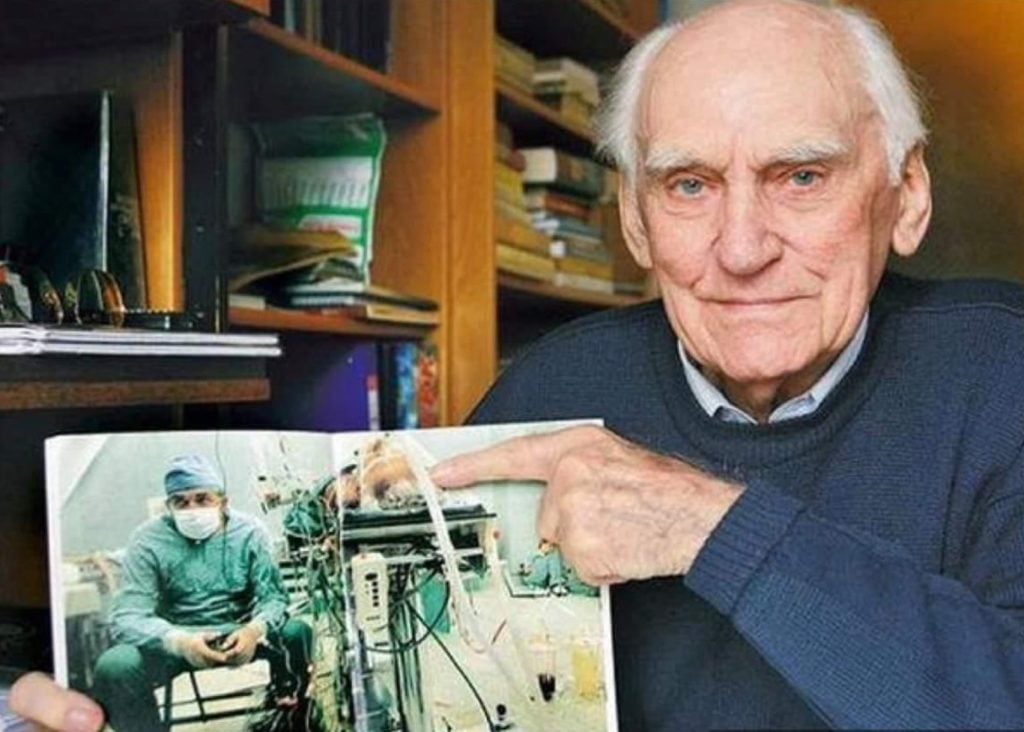
In 1987, in Zabrze, Poland, one photograph captured more than just a surgical scene—it froze a moment of raw humanity. A doctor, drained but alert. An assistant asleep in the corner. A patient with a new heart, fighting for life.
That photo told a real story—one of tension, exhaustion, hope, and ultimately, medical victory.
Medical Conditions in 1980s Poland
During the 1980s, Polish hospitals operated under pressure. Political instability and economic shortages meant:
- Outdated equipment
- Limited access to global medical advancements
- Long wait times and strained resources
Yet, amidst the struggle, a few determined doctors like Dr. Zbigniew Religa pushed through limits. Their goal wasn’t fame—it was survival for patients who had no other option.
“There were no high-tech tools—just knowledge, nerves, and heart.”
Meet Dr. Zbigniew Religa: The Man Behind the Miracle
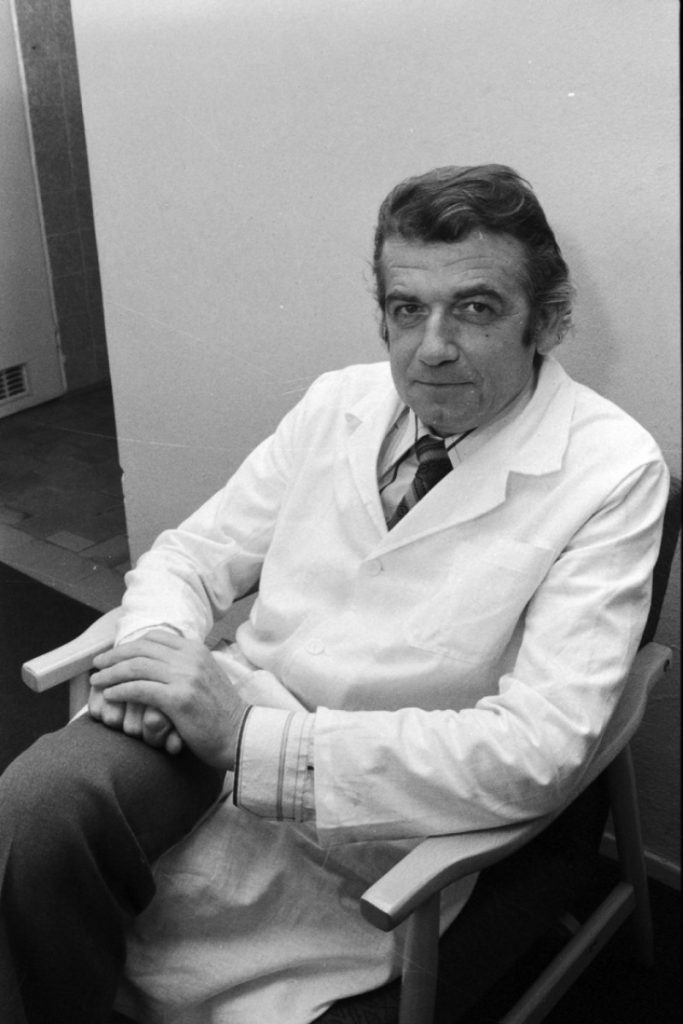
Born in 1938, Dr. Religa was more than a surgeon:
- A trailblazer of heart transplant procedures in Eastern Europe
- An educator who trained the next generation of cardiac surgeons
- A public servant, later becoming Minister of Health in Poland
His personality was a blend of:
- Surgical precision
- Unmatched endurance
- And above all, deep compassion
The Patient: Tadeusz Zhitkevich’s Brave Letter
By 1987, Tadeusz Zhitkevich, a 60-year-old teacher, had:
- Survived three heart attacks
- Been told he was “too old” for a transplant
- Lost his ability to walk
Out of desperation, he wrote a letter to Dr. Religa:
“I am a teacher. I have a sick heart. I am asking for help.”
To his surprise, Religa responded:
“Please come.”
That letter set in motion one of the most remarkable surgeries in Polish history.
23 Hours in the Operating Room
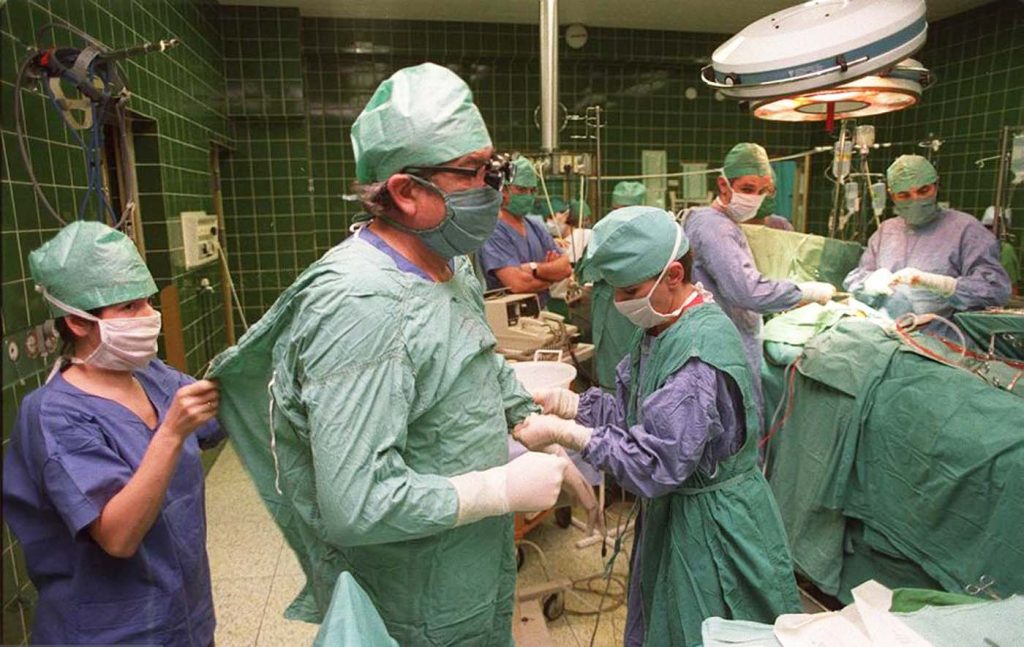
On the day of surgery, the stakes were sky-high. The operation would last nearly an entire day.

Conditions:
- No robotic assistance
- No real-time digital imaging
- Manual monitoring of every heartbeat, every suture, every moment
The photo shows:
- Dr. Religa intensely watching the heart monitor
- His assistant sleeping in the corner
- A quiet room filled with tension and determination
This wasn’t just science—it was survival.
The Iconic Photograph That Shocked and Moved the World
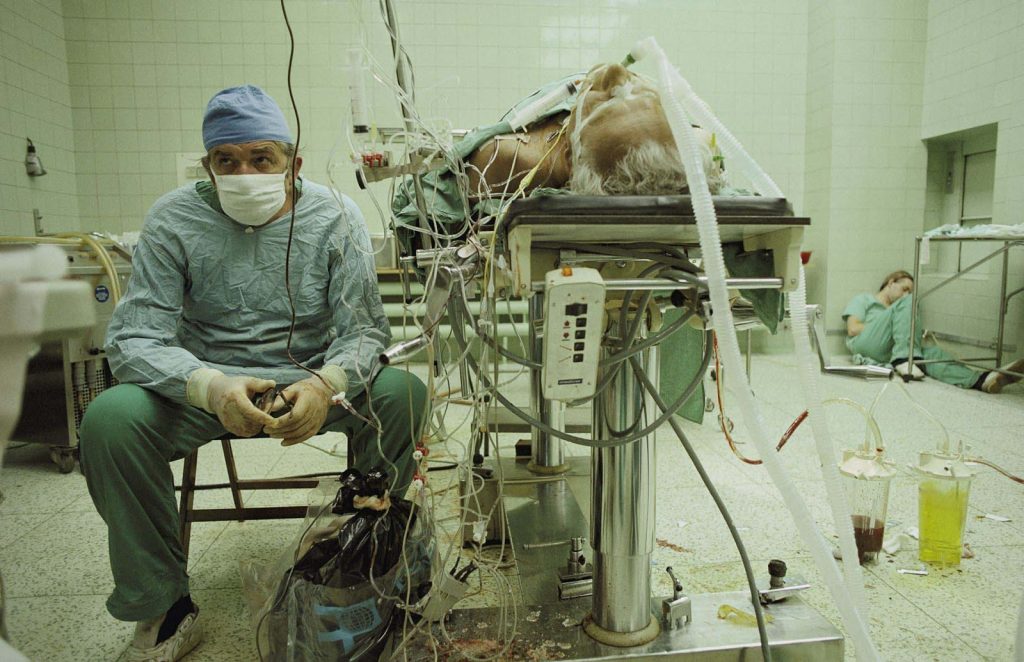
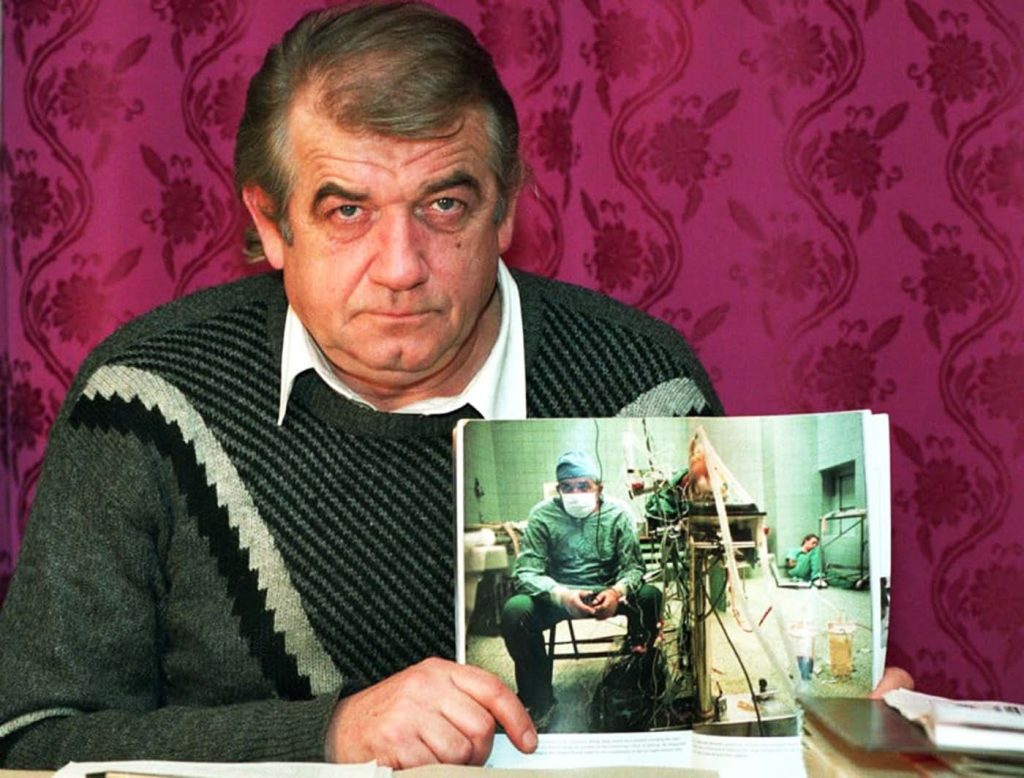
Captured by James Stanfield for National Geographic, the image became legendary. It’s now featured in:
- TIME Magazine’s “100 Most Influential Photos”
- Medical museums and classrooms around the world
- Online discussions about what true sacrifice looks like
The photograph didn’t just document a surgery—it humanized medicine.
The Results: Life Beyond the Operating Table
The surgery was a resounding success. Against the odds:
- Tadeusz Zhitkevich lived 30 more years
- He passed away in 2017 at age 91—of natural causes, not heart disease
- He continued to teach, walk, and inspire
His recovery became a symbol of second chances and the triumph of willpower over odds.
Dr. Religa’s Lasting Legacy
Dr. Religa continued performing surgeries until his passing in 2009. His impact remains immense:
- Introduced modern transplant techniques to Poland
- Trained hundreds of cardiac surgeons
- Had a biographical movie made about his life: “Bogowie” (Gods) in 2014
“He didn’t just fix hearts—he won them.”
Historical Timeline Table
| Year | Milestone |
|---|---|
| 1938 | Dr. Zbigniew Religa is born |
| 1960s | First heart transplants begin globally |
| 1985 | Religa performs Poland’s first heart transplant |
| 1987 | Iconic surgery and photograph |
| 2004 | Becomes Poland’s Health Minister |
| 2009 | Dr. Religa passes away |
| 2014 | “Gods” movie is released |
| 2017 | Tadeusz passes away peacefully at 91 |
Why This Story Still Matters Today
Even in today’s tech-powered world, this story reminds us:
- Dedication trumps machinery
- Compassion powers science
- And every heartbeat counts
It teaches future doctors, patients, and the public that:
“The best medicine is sometimes human courage.”
Conclusion: One Heart. One Photo. One Legacy.
From a single letter to a 23-hour surgery to a world-famous image, this story shows us what’s possible when hope and healing meet.
Dr. Religa didn’t just save one life.
He changed how we think about what it means to care.
References
- National Geographic Archives
- TIME Magazine’s “100 Most Influential Photos”
- European Heart Journal: History of Heart Transplantation in Poland
- Polish Ministry of Health Records
- “Bogowie” (Gods), Biographical Film, 2014
- BBC Feature on Dr. Zbigniew Religa (2017)