
A roadside breakdown can turn an ordinary commute into a costly chain of missed appointments, replacement transportation, and unexpected fees. The repair bill may be the largest visible expense, but it rarely tells the whole story. Drivers also lose time, rearrange family obligations, and sometimes miss paid work. These personal inconveniences are just a fraction of the hidden costs of downtime that impact businesses and individuals on a much larger, often unseen, scale.
Preparation limits those secondary costs. A clear roadside plan, access to reliable help, and a dedicated emergency fund can keep a vehicle problem from disrupting the rest of your month.
Financial Shocks Beyond the Repair Shop
When a vehicle stops running, most drivers immediately think about parts and labor. Yet several expenses can appear before a technician has even inspected the vehicle. You may need transportation home, a ride to work, and childcare coverage if delays upset your normal schedule. Storage fees can also apply if you don’t move a disabled vehicle promptly.
Consider a breakdown during an afternoon commute. A $40 rideshare home may be followed by two days of rental car charges. Add a missed shift, an after-hours service fee, and meals purchased while waiting, and the indirect costs can approach the price of the repair itself.
This pattern appears in business operations too. Analyses of the hidden costs of downtime show that interruptions create lost productivity and secondary expenses beyond the original technical problem. The scale differs for an individual driver, but the financial mechanism is similar.
Your preparation should start with a written list of likely costs:
- Roadside service and vehicle transport
- Temporary transportation
- Lost wages or used leave
- Childcare or dependent care
- Parking and storage charges
- Meals or lodging during longer trips
Save the contact details for local towing assistance before you need them, especially if you regularly drive in Manassas Park. Confirm what your insurance policy, vehicle warranty, or roadside membership covers so you don’t pay twice for the same service. Pay close attention to coverage limits, distance caps, and reimbursement rules.
Factoring Downtime into Commuter Costs
Commuting costs usually include fuel, parking, maintenance, and monthly vehicle payments. Downtime belongs in that calculation because even a dependable vehicle will occasionally need unplanned attention.
Suppose you drive to work five days a week and have no practical public transit option. If your vehicle spends two days at a repair facility, a rental might cost $60 per day before taxes and fees. Four rideshare trips could cost about the same. An unpaid eight-hour absence at $22 per hour adds $176, bringing the disruption well above $250 before the repair begins.
Commercial drivers track these losses closely because an idle vehicle can’t produce income. A guide to the cost of truck downtime highlights expenses such as lost revenue, delayed deliveries, and continued fixed costs. Regular commuters face a smaller version of the same problem when they still owe parking fees, insurance premiums, and vehicle payments during an interruption.
Estimate your personal downtime rate by adding one day of replacement transportation to any wages you could lose. Include dependent-care costs if they apply. For example:
$65 rental + $30 extra childcare + $120 lost income = $215 per day
That number helps you decide how much emergency cash to keep available. It also clarifies the value of preventive maintenance. Paying for a battery test or replacing a worn belt on schedule may protect you from a much larger interruption later.
Keep a backup commute plan in your phone. Record the nearest transit stop, a trusted ride contact, and the approximate cost of a one-day rental. If your household has two vehicles, agree in advance on how you would share one for several days.
Securing Rapid Towing Assistance
Fast roadside help starts with accurate information. Before calling a provider, identify your location through a highway marker, nearby business, or phone map pin. Describe the vehicle type, its condition, and any access issues, such as a low parking garage. Clear details help the dispatcher send suitable equipment and provide a more realistic arrival estimate.
Move to a safe waiting location when conditions allow. If the vehicle is blocking traffic or anyone may be at risk, contact local emergency services first. Avoid attempting repairs next to moving traffic. Your personal safety matters more than recovering an item from the vehicle or inspecting the source of a mechanical problem.
Ask the service provider several direct questions before confirming the request:
- What is the estimated arrival window?
- What charges apply to the pickup and distance traveled?
- Where will the vehicle be taken?
- Are after-hours, storage, or special-access fees possible?
- Which payment methods are accepted?
Keep your preferred repair shop’s name, address, and opening hours saved alongside your roadside contacts. If the shop is closed, ask how they’ll store the vehicle and when they can deliver it. Take photos of the vehicle before it is moved, and remove medication, work equipment, and other essentials if it’s safe to do so.
Large organizations use response plans because delay compounds the cost of an interruption. Recent downtime crisis research emphasizes how operational failures spread into lost productivity and broader financial damage. For drivers, quick coordination can prevent a stalled vehicle from creating missed work, extra storage charges, and another day without transportation.
Building an Emergency Travel Reserve
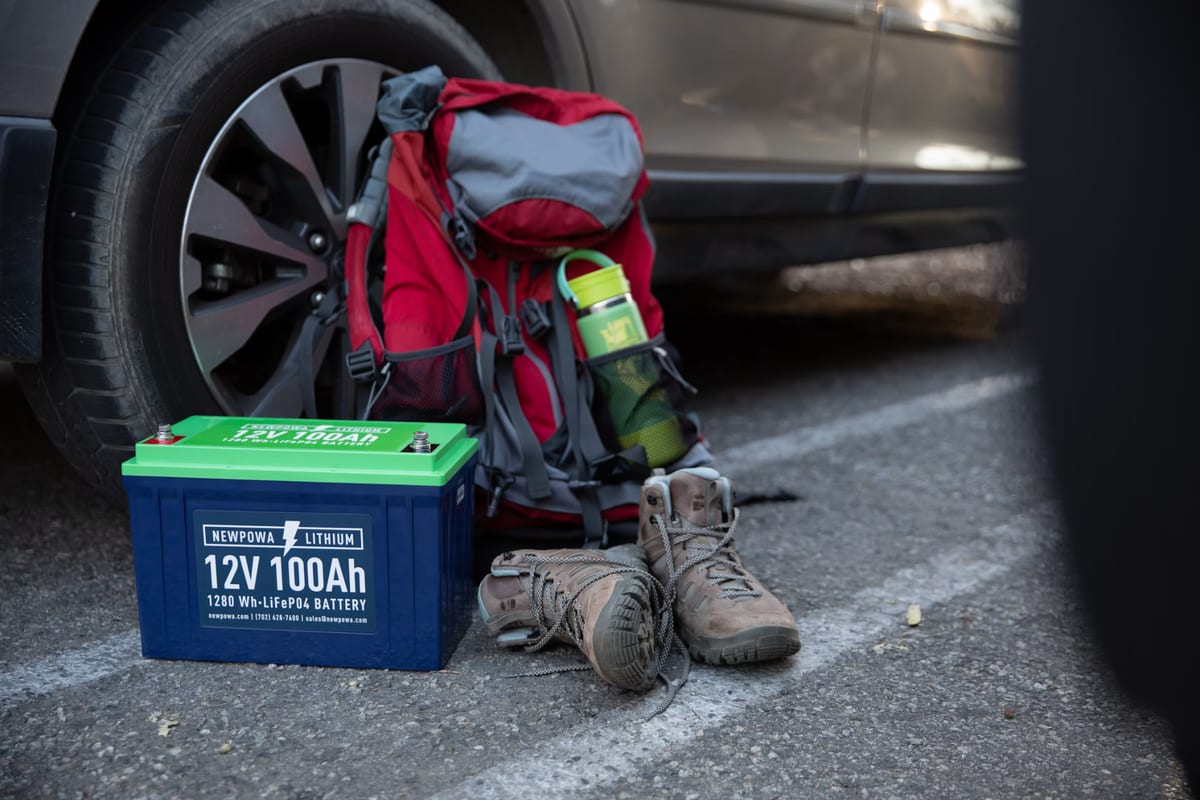
A vehicle emergency fund should cover more than repairs. Give the reserve enough range to pay for roadside service, a diagnostic charge, and at least one or two days of alternative transportation. Households with long commutes, limited transit access, or only one vehicle may need a larger cushion.
Start with a practical target based on your own downtime estimate. If one interrupted day would cost $200 and your insurance deductible is $500, an initial goal of $900 to $1,100 offers useful protection. You can build toward a larger amount later as your budget allows.
Keep this money in a separate savings account so it stays accessible and doesn’t get mixed into routine spending. An automatic transfer of $20 per week adds up to $1,040 in a year. Even a smaller transfer creates a buffer that can pay for a ride home or an initial service call.
Review the reserve whenever your circumstances change. A longer commute, an older vehicle, or a new childcare arrangement can raise the cost of downtime. A move to an area with reliable public transportation may lower it. Check your insurance and roadside coverage during the same review, because policy changes can affect what you pay out of pocket.
Preparation inside the vehicle matters too. Keep a phone charger, reflective vest, basic first-aid supplies, bottled water, and a written contact card with numbers you can reach. Check the spare tire’s condition if your vehicle includes one, and learn where the roadside tools are stored. Download offline maps before long trips since poor reception can make it harder to share your location.
The best emergency plan is specific enough to use under stress. Save the numbers, calculate your daily disruption cost, and set a reserve target tied to that figure. When a warning light or flat tire interrupts the drive, you’ll already know who to call, where the vehicle should go, and how to cover the immediate costs.