
Plumbing maintenance looks different from one U.S. region to another, but every home benefits from a simple routine that catches small issues early. Whether your area faces hard freezes, summer storms, dry conditions, or heavy holiday water use, a seasonal calendar can help protect pipes, fixtures, appliances, and finished living spaces.
Homeowners can handle many basic tasks themselves, while qualified residential and commercial plumbing professionals can help with concealed leaks, recurring drain problems, water heater concerns, and repairs that require specialized tools. The goal is not to turn every drip into a major project. It is to notice warning signs before water damage or a backup becomes harder to manage.
Keep the calendar realistic for your household. A brief monthly inspection, combined with a few season-specific tasks, is often more useful than an ambitious checklist that is never completed. Taking dated photos of exposed pipes, valves, and appliance connections can also make it easier to notice gradual changes such as corrosion, staining, or a new drip.
Why a Plumbing Calendar Helps
Water often travels before it becomes visible. A minor leak beneath a sink, behind an appliance, or near a toilet can affect cabinets, flooring, and nearby materials over time. Putting routine checks on the calendar makes it less likely that easily missed areas will be ignored for a full year.
Regular attention also helps limit water waste. The EPA reports that the average household’s leaks can waste more than 9,300 gallons each year, and its guidance for checking household leaks identifies toilet flappers, dripping faucets, and leaking valves as common sources. Keep a short note of repairs, unusual sounds, and water-bill changes so patterns are easier to spot.
A calendar also creates a useful baseline. When you know what normal water pressure, drainage speed, and appliance operation look like in your home, a change is easier to identify. Review utility bills from the same season in the prior year when possible, since unusually high use may indicate a leak.
Monthly Checks for Every Home
Set aside 10 to 15 minutes once a month for a walk-through. Use a flashlight and look, listen, and feel for changes.
- Look beneath kitchen, bathroom, and laundry sinks for moisture, staining, rust, or warped cabinet bottoms.
- Check faucets, showerheads, toilet supply connections, and appliance hoses for drips.
- Listen for a toilet that refills when no one has flushed it.
- Inspect visible supply lines for corrosion, bulges, cracks, or loose fittings.
- Make sure the main water shut-off valve is accessible and that household members know where it is.
Include areas that are easy to overlook, such as the cabinet beneath a bar sink, the space behind a washing machine, and the floor around a dishwasher or refrigerator with a water dispenser. Do not force a valve that seems stuck; instead, note it and consult a qualified professional about safe repair or replacement.
Spring Plumbing Tasks
Spring is a practical time to inspect plumbing after winter, especially in areas that experience freezing temperatures. Check outdoor faucets for cracks or leaks before attaching a hose. If an irrigation system is present, examine sprinkler heads, drip lines, and hose connections before regular watering begins.
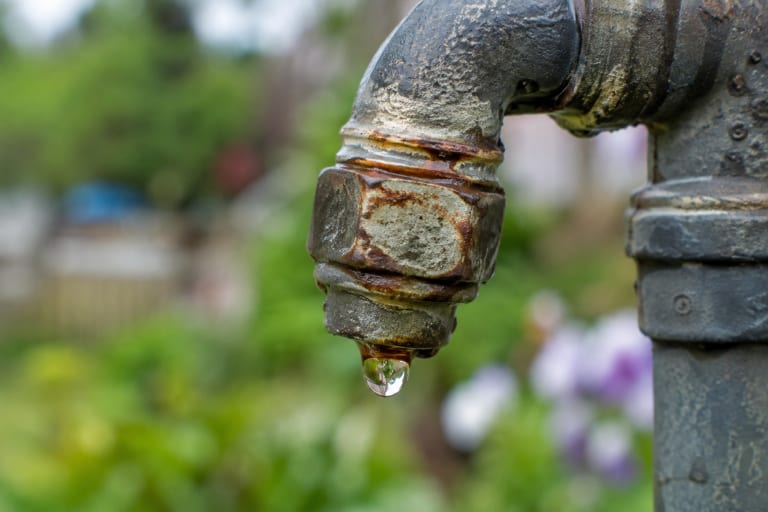
Walk the yard after a dry day and look for persistently soggy patches that could indicate an underground water issue. Indoors, clean faucet aerators and showerhead screens if mineral buildup is reducing flow. Test toilets by placing a few drops of food coloring in the tank, waiting about 10 minutes without flushing, and checking whether color reaches the bowl.
After completing the toilet test, flush the toilet to clear the coloring from the tank and bowl. Spring is also a good time to check the condition of caulk around tubs, showers, and sinks. Damaged or missing caulk can allow water to reach surfaces behind or beneath a fixture during normal use.
Summer Plumbing Tasks
Summer can bring heavier demand from laundry, guests, outdoor watering, and more frequent showers. Inspect washing-machine hoses and refrigerator water connections for damage or moisture. Clean debris from exterior drain grates and ensure downspouts direct water away from the foundation where possible.
If your property has a sump pump, test it according to the manufacturer’s instructions before periods of heavy rain. Pay attention to slow drains after gatherings or increased household use. A single slow fixture may be local, whereas multiple slow drains can indicate a larger drainage issue.
Use outdoor hoses thoughtfully and avoid leaving them pressurized unnecessarily when they are not in use. Check hose washers and connectors for drips at the spigot. If water pressure suddenly seems lower at several fixtures, avoid guessing at the cause and note whether the change affects both hot and cold water.
Fall Plumbing Tasks
Before cold weather arrives, disconnect and drain garden hoses. Shut off and drain exterior faucet lines if your home’s setup and local climate call for it. Check exposed pipes in unheated spaces, such as garages, crawl spaces, and exterior walls, and add appropriate insulation where needed.
Fall is also a good time to inspect shut-off valves under sinks and behind toilets for signs of corrosion or stiffness. Check guest bathrooms and rarely used fixtures for odors, leaks, or toilets that run intermittently. Clear kitchen and bathroom drains before holiday cooking and visitors increase water use.
For rarely used showers, tubs, or floor drains, run water briefly to refresh the trap seal. This simple step can help prevent sewer odors from entering through a dried-out drain. Keep storage away from the main shut-off valve and from any access panels that may be needed during a repair.
Winter Plumbing Tasks
Frozen pipes can crack or burst when water expands, so maintain a steady indoor temperature during cold periods. On exceptionally cold nights, opening cabinet doors beneath sinks can help warmer indoor air reach nearby plumbing. Follow local guidance before allowing a faucet to drip, since the best approach depends on the home and weather conditions.
If the home will be vacant, arrange for someone to check it, particularly during a cold spell. Never thaw a frozen pipe with an open flame. If a pipe is frozen, inaccessible, or already leaking, turn off the water if necessary and contact a qualified professional.
Know the route to the main water shut-off valve before an emergency occurs, and keep the area around it clear. If you suspect a frozen pipe, watch for reduced flow, frost on exposed piping, or unusual bulges. Do not use electrical appliances in standing water or near an active leak.
How to Find Hidden Leaks
A Simple Water-Meter Check
- Turn off faucets, appliances, irrigation, and other water-using fixtures.
- Read and record the water meter.
- Avoid using water for at least two hours.
- Read the meter again.
- If the reading changed, investigate visible fixtures or arrange professional help if the source is unclear.
The EPA also recommends comparing water use with the same period in the prior year and checking meters during a period of no use. Its home maintenance recommendations note that a changed meter reading after two hours may indicate a leak. Other warning signs include musty odors, peeling paint, stained ceilings, bubbling flooring, warm spots on a floor, and unexpected pressure changes.
Before performing the meter check, make sure automatic irrigation, ice makers, water-treatment equipment, and other water-using systems are not cycling. A changed reading does not identify the exact source, but it gives you a useful reason to inspect toilets, exposed connections, and appliances before assuming the issue is hidden underground or inside a wall.
Water Heater Care
Inspect around a tank-style or tankless water heater for leaks, corrosion, dampness, or loose-looking connections. Note popping, rumbling, or hissing sounds, and pay attention to rusty or discolored hot water. Review the manufacturer’s maintenance instructions for your exact model rather than assuming every system needs the same service.
Water heaters involve hot water, pressure, electricity, and sometimes gas. Ask a professional whether flushing, sediment removal, or other maintenance is appropriate, especially for an older unit or one showing signs of leakage.
Keep the area around the unit clear so leaks or warning labels remain visible. If you notice water at the base of the heater, do not assume it is harmless condensation. Identify whether the moisture is recurring, and seek professional help if the source is not obvious or if the unit is actively leaking.
Drain and Sewer Line Care
Keep grease, coffee grounds, wipes, paper towels, and hygiene products out of drains. Use screens in showers and bathroom sinks to catch hair and debris. Avoid relying on harsh chemical cleaners for a recurring clog, since repeated blockage may need a proper diagnosis.
Call attention to gurgling toilets, sewage odors, water backing up into tubs, or several drains slowing at once. Tree roots, aging sewer lines, and obstructions can require an inspection rather than another round of do-it-yourself drain treatment.
When clearing a minor clog, follow the instructions for the tool or product being used and avoid mixing drain-cleaning products. Protecting drains from debris is generally easier than responding after a blockage has developed.
When a Plumbing Problem Is an Emergency
Act quickly when there is a burst pipe, a rapidly spreading leak, an overflowing toilet that will not stop, a sewage backup, an actively leaking water heater, or water near electrical outlets or panels. Shut off the nearest fixture valve or the main water supply if it is safe to do so. Avoid standing water near electricity, move valuables away from the affected area, and contact the appropriate emergency professional.
If an overflowing toilet is the problem, remove the tank lid and close the toilet’s shut-off valve when it is safe and accessible. Do not continue flushing to clear an active backup. Document visible damage with photos after immediate safety concerns are addressed, particularly if insurance documentation may be needed.
When to Call a Professional
Professional assessment is wise when the same clog returns, a leak is hidden inside a wall or floor, pressure changes affect several fixtures, corrosion is visible, or a sewer odor persists after basic cleaning. Gas-line work, major pipe replacement, and repairs requiring specialized equipment should not be treated as casual weekend projects.
Before authorizing work, ask about licensing requirements in your area, written estimates, repair options, warranties, and permits that may apply. A dependable plumbing routine is simple: check regularly, respond promptly, and seek professional help when the problem is beyond a safe, visible repair.
When speaking with a plumber, describe when the issue began, which fixtures are affected, and whether it happens continuously or only during certain activities. Sharing photos, meter readings, or notes from your maintenance calendar can help provide a clearer starting point for diagnosing the problem.