
A waterproof jacket can keep rain out yet still leave you feeling damp, cold, and uncomfortable after hours of outdoor activity. When sweat builds up inside your clothing and trapped moisture slows drying, even high-performance outerwear can struggle to protect your body temperature. Understanding how breathable waterproof membranes, layered protection, and ventilation work together can help you stay dry, comfortable, and prepared for changing field conditions.
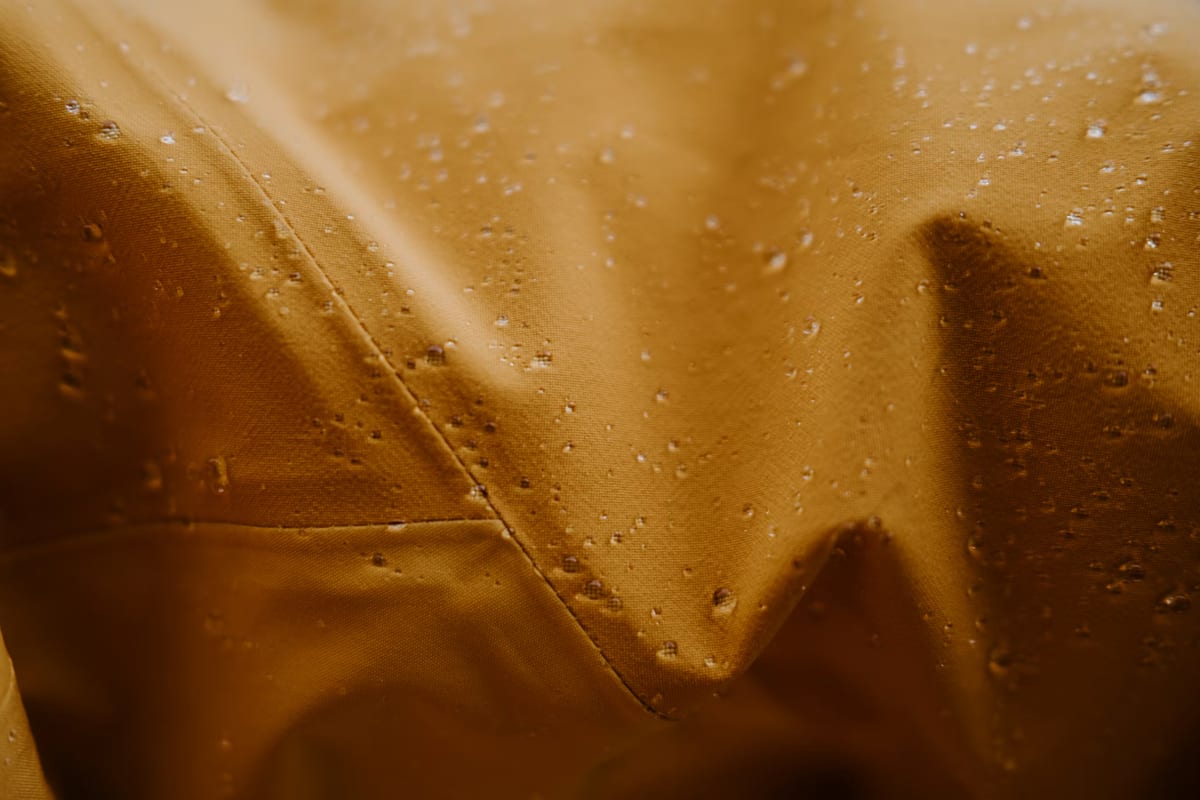
Image Credit: Unsplash
The Paradox of Breathable Waterproof Membranes
Most waterproof jackets use a membrane with pores or molecular pathways designed to block liquid water while allowing water vapor to pass outward. That sounds simple, but moisture transfer depends on a difference in temperature and humidity between the inside and outside of the garment. Choosing the right outer layer also means understanding how breathable waterproof jackets manage moisture while protecting against harsh weather, particularly during demanding outdoor activities.
When the air inside a jacket is warm and humid while the outside air is cooler and drier, vapor has a useful path outward. Performance drops when external humidity rises, the outer fabric becomes saturated, or the wearer produces sweat faster than the membrane can transfer it. During a steep climb with a loaded pack, for example, the body may generate far more moisture than passive fabric technology can release.
A durable water-repellent finish helps rain bead and roll off the face fabric. Once that finish wears down, the material can “wet out,” covering the breathable membrane with a film of water. The jacket may remain technically waterproof, but vapor transfer slows, and condensation builds on the inner surface.
Regular cleaning and suitable reproofing can restore some performance. Dirt, skin oils, and detergent residue can interfere with both the face fabric and the membrane. Users should follow the garment’s care label, avoid ordinary fabric softener, and inspect high-friction areas around the shoulders, cuffs, and pack belt.
Ventilation also matters. Opening underarm vents, loosening the collar, or reducing insulation before a strenuous ascent can keep perspiration from overwhelming the fabric.
How Dual Protection Layers Trap Moisture
Layered protection systems are designed to create several barriers between the wearer and severe weather. They may combine a durable outer shell with a suspended waterproof layer, an inner lining, or a separate moisture-management component. Each layer has a purpose, but every added surface can slow the movement of heat and water vapor.
Air spaces within the garment may provide insulation, yet they can also become condensation zones. Warm vapor moves away from the body, reaches a colder surface, and returns to liquid form. If the inner fabric absorbs that liquid, the wearer may assume rain has penetrated the garment even though the moisture originated from perspiration.
When assessing a Keela Smock for military personnel or specialized units, buyers should consider how its moisture-management system functions during active field use, not only its resistance to external weather. Questions about vent placement, liner drying time, and compatibility with base layers reveal more than a single waterproof rating.
Fit is another practical factor. A shell that is too tight compresses insulating layers and restricts the small air channels that help vapor move. An oversized shell can hold a large volume of humid air and create folds where moisture collects. Teams should test garments while carrying their normal field equipment and performing realistic movements such as climbing, kneeling, and lifting.
Garments also need time to dry between shifts. Hang them with pockets open and liners exposed in a ventilated space. Avoid placing membrane fabrics directly against intense heat, which can damage adhesives and protective finishes.
Preventing Rapid Cooling in High Humidity
The danger of retained moisture becomes clearer when activity stops. During demanding movement, metabolic heat can make a damp base layer feel tolerable. At a rest point, that heat production falls while evaporation continues to remove warmth from the skin. Wind passing across wet fabric can intensify the cooling effect.
Relative humidity describes how close the air is to saturation at a given temperature. Cool air can reach a high relative humidity with less water vapor than warm air, which helps explain why damp conditions near freezing can feel especially uncomfortable. In saturated air, sweat evaporates slowly and may remain within clothing until the wearer enters a windier or drier environment.
Plan clothing changes around changes in effort. Before a long climb, remove an insulating mid-layer or open available vents. Five to ten minutes before stopping, reduce pace slightly and allow excess heat to escape. At the break, replace a wet base layer if conditions and facilities permit, then add dry insulation before the body cools.
Material choice supports this routine. Synthetic base layers generally dry quickly and retain limited water. Wool can buffer moisture vapor and maintain useful insulation when damp, though heavier versions may take longer to dry. Cotton holds considerable moisture and can remain cold against the skin, making it poorly suited to exposed field activity in cool weather.
The principles of cold stress also support active monitoring. Shivering, reduced coordination, confusion, and unusual fatigue require prompt attention. Teams should use scheduled clothing checks because individuals may overlook their own cooling while concentrating on a task.
Engineering Garments for Active Field Teams
Outerwear should match the team’s activity level, balancing waterproofing, breathability, and durability. High-output areas such as the back and underarms benefit from improved ventilation, while shoulders and elbows need abrasion-resistant materials.
Construction should maintain airflow without compromising rain protection. Pocket placement and storm flaps must also support moisture management.
Testing should simulate alternating movement and rest in wet conditions. Measuring base-layer moisture, skin temperature, and wearer feedback helps engineers assess comfort and compare garment performance.
Industry teams may also refer to water vapor resistance testing when comparing materials. Results need careful interpretation because a fabric sample does not include seams, pockets, reinforcement panels, or the pressure created by carried equipment.
Field teams should document recurring wet zones after each use. Moisture concentrated below a pack may point to pressure and blocked airflow, while wet cuffs may indicate poor closure adjustment. Condensation across the full torso often signals excessive insulation or delayed venting. These patterns give procurement staff and designers specific evidence for future garment selection.
Maintenance belongs in the engineering plan as well. The care of waterproof breathable clothing affects long-term performance, so organizations need clear washing, drying, and inspection procedures. A high-performing shell can lose much of its practical value if contamination and worn surface treatments go unaddressed.
Condensation cannot be removed from every demanding outdoor situation, but it can be controlled before clothing becomes saturated. The most reliable systems give wearers several options: vent early, adjust insulation during effort, and protect dry layers for stationary periods. For field teams, a jacket’s real test begins when heavy movement ends, and the garment must keep accumulated moisture from turning into rapid heat loss.