
Key Takeaways
- Start with real driving habits instead of vehicle trends.
- Choose a size that meets regular passenger and cargo needs.
- Compare fuel, charging, insurance, maintenance, and financing costs.
- Make safety ratings and everyday comfort core shopping filters.
- Test-drive each vehicle in conditions that resemble normal use.
Choosing a vehicle is easier when the decision begins with your routine rather than a badge, body style, or popular feature. A practical vehicle should make workdays, errands, family trips, and weekend plans simpler without creating unnecessary ownership costs. Drivers who want to compare options in person can learn more about vehicles that may suit their needs.
The best choice is rarely the largest, quickest, or most heavily equipped model. It is the vehicle that handles your normal responsibilities comfortably, fits your budget over time, and still has enough flexibility for the trips you take most often.
Start With the Weekly Driving Routine
Before comparing models, write down what your vehicle does in a typical week. Include work commutes, school drop-offs, grocery runs, medical appointments, airport trips, weekend travel, and outdoor activities. This creates a useful picture of what matters every day.
Separate regular needs from occasional wants. A driver who commutes alone and parks downtown may benefit from a compact car or hatchback. Someone who frequently transports children, pets, luggage, or sports gear may need a compact crossover or midsize SUV. Renting a larger vehicle a few times a year can sometimes cost less than buying a vehicle that you don’t use.
Choose the Right Vehicle Size
Vehicle size affects parking, visibility, fuel use, passenger comfort, cargo access, and purchase price. Choose the smallest category that consistently handles your real needs.
- Small cars: Easy to park, generally efficient, and well-suited to city driving or solo commuting.
- Hatchbacks: Keep a compact footprint while adding flexible cargo space through a rear liftgate.
- Compact crossovers: Provide a higher seating position, useful cargo room, and manageable exterior dimensions.
- Midsize SUVs: Offer more room for families, road-trip luggage, and larger everyday items.
- Three-row SUVs: Make sense for larger households or drivers who routinely carry extra passengers.
- Trucks: Are most useful when hauling equipment, materials, trailers, or recreational gear is a regular responsibility.
Match the Powertrain to Your Driving Pattern
Powertrain choice should reflect how and where you drive. Gasoline vehicles remain convenient for drivers who value fast refueling and broad availability. Hybrids can reduce fuel use without requiring charging. Plug-in hybrids may cover short daily trips on electricity while retaining gasoline power for longer drives.
Electric vehicles can work especially well for predictable routines and reliable home or workplace charging. Before choosing one, review daily mileage, longer-trip routes, charging access, connector compatibility, and whether your home electrical service can support charging equipment. The Department of Energy offers guidance for drivers evaluating electric vehicle charging and range needs before they commit.
Build a Realistic Ownership Budget
A monthly payment does not show the full cost of a vehicle. Compare the total picture, including the down payment, interest rate, insurance premium, fuel or electricity, registration, taxes, maintenance, tires, brakes, repairs, and expected resale value.
A lower purchase price is not always the lowest-cost choice. One model may use more fuel, require expensive tires, or cost more to insure. Get insurance quotes for the exact vehicles you are considering, and compare loan terms carefully. A longer loan may lower the payment while increasing the total amount paid in interest.
Think About Weather, Roads, and Traction
Consider the conditions your vehicle faces most often. Front-wheel drive works well for many drivers and can provide good traction in ordinary winter weather when paired with quality tires. All-wheel drive can help send power to more than one wheel when traction is limited. Four-wheel drive is often more appropriate for serious off-road use, deep snow, or demanding towing situations.
No drivetrain replaces safe speeds, sufficient following distance, or good tires. Tread depth and tire type can matter as much as the number of driven wheels in rain, snow, and ice. Also consider steep driveways, unpaved roads, long highway trips, and tight parking areas.
Make Safety a Core Shopping Filter
Review crash-test results for the exact model year, then check which safety features are standard on the trim you want. Automatic emergency braking, blind-spot monitoring, rear cross-traffic alerts, adaptive cruise control, and good headlights can be valuable, but availability varies. Shoppers can compare crashworthiness and crash-avoidance ratings across many vehicle types before narrowing their list.
During a test drive, check outward visibility, mirror placement, seat comfort, control layout, and camera views. If you use child seats, install one before buying, if possible. Confirm that rear-seat access, tether anchors, and buckle placement work for your household.
Compare New, Used, and Certified Pre-Owned Options
- New vehicles: Usually provide full factory coverage, current technology, and more configuration choices.
- Used vehicles: May have a lower purchase price and less early depreciation.
- Certified pre-owned vehicles: Often include manufacturer inspections and added warranty coverage, although terms differ by brand.
For any used vehicle, inspect service records, title history, recalls, tire condition, remaining warranty coverage, and vehicle-history information. An independent pre-purchase inspection can uncover issues that are not obvious during a short drive.
Test the Vehicle as You Will Use It
- Adjust the seat, steering wheel, mirrors, and climate controls.
- Check entry and exit for regular passengers.
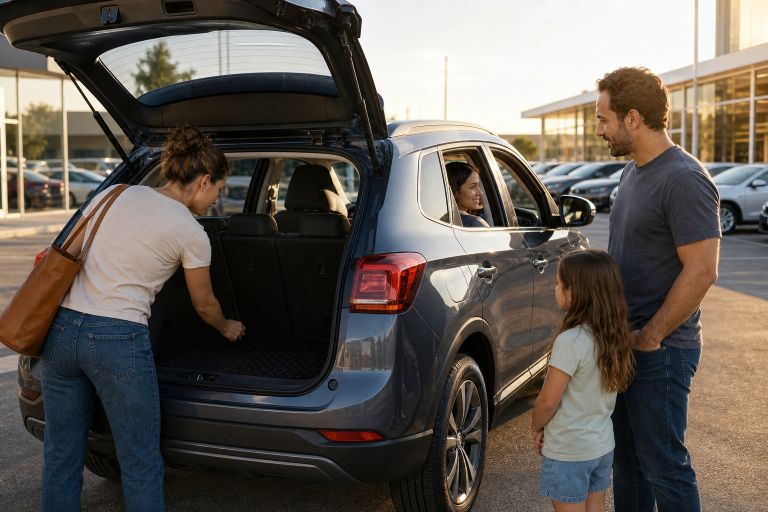
- Bring a child seat, stroller, pet crate, golf bag, or other common cargo if relevant.
- Drive in stop-and-go traffic, on a highway, and through a parking area.
- Evaluate turning radius, braking feel, road noise, ride comfort, and visibility.
- Use the infotainment and driver-assistance controls without relying on a salesperson.
Avoid Paying for Features You Will Not Use
Prioritize features that improve safety, comfort, access, or daily convenience. Premium wheels, panoramic roofs, advanced screens, and upgraded audio may be enjoyable, but they can also increase purchase price, insurance costs, tire replacement costs, and repair bills. Buy the equipment that supports your routine, not just the options that look impressive on a window sticker.
Common Questions About Choosing a Vehicle
What is the best vehicle type for a daily commute?
It depends on mileage, traffic, parking, weather, and passenger needs. Small cars and hatchbacks suit many solo commuters, while compact crossovers offer more cargo and passenger flexibility.
Is an SUV always more practical than a sedan?
No. SUVs often offer easier cargo access and a higher seating position, while sedans may be easier to park, more efficient, and less expensive to own.
How much cargo space is enough?
Measure what you carry regularly. Advertised cargo figures do not always show whether a stroller, tools, luggage, sports equipment, or pet carrier will fit comfortably.
A Simple Vehicle-Selection Checklist
- List the vehicle’s main jobs.
- Set a complete ownership budget.
- Choose the smallest size that meets regular needs.
- Compare gasoline, hybrid, plug-in hybrid, and electric choices.
- Review safety ratings and insurance estimates.
- Compare new, used, and certified pre-owned options.
- Take more than one thorough test drive.
- Review warranty terms, fees, and contract details before signing.
Conclusion
Choosing a vehicle in 2026 is about finding a dependable fit for real life. When drivers compare size, powertrain, safety, comfort, cargo room, and full ownership costs, they can make a more confident decision and avoid paying for capabilities they rarely use.