
Key Takeaways
- Organize rental responsibilities around the full resident cycle, from vacancy preparation through move-out.
- Apply written screening standards consistently and keep application records secure.
- Handle maintenance promptly, document communication, and plan preventive work before problems grow.
- Review income, expenses, lease dates, and open tasks on a regular schedule.
- Check local requirements and lease terms before changing policies or taking enforcement action.
Managing a rental home in Malvern involves more than collecting rent and responding when something breaks. From preparing a property between residents to documenting repairs and reviewing lease dates, dependable results come from a repeatable process. Owners seeking property management in Malvern, PA can use this checklist to organize the routine work that protects both the home and the resident experience.
A written system is especially useful for owners of single-family homes, condos, and small portfolios. It reduces the chance that a maintenance request, renewal deadline, inspection note, or important document is left in an inbox or forgotten after a busy week. Use the checklist as an operating guide, while seeking qualified legal or tax advice when a situation requires it.
Why a Landlord Checklist Matters
Rental ownership is made up of many small, recurring tasks. A missed filter change may contribute to an avoidable HVAC issue, while a missed lease date can create rushed decisions about renewals or marketing. A simple checklist is more reliable than relying on memory, scattered texts, or paper folders. The best version is one that is easy to review every week and clear enough that each task has an owner and a deadline.
Step 1: Prepare the Property Before Marketing
Before advertising a vacant Malvern rental, walk through every room and exterior area. Test plumbing, lights, appliances, locks, windows, heating and cooling equipment, and safety devices. Look for leaks, moisture, damaged flooring, loose railings, pest activity, and drainage concerns. Confirm utility arrangements, insurance information, and vendor contacts. Finish with dated photos showing the home’s condition before move-in.
Step 2: Build a Consistent Screening Process
Create written criteria before the first application arrives, then use the same basic process for every applicant. Verify identity, income, rental history, and other lawful factors that fit the stated standards. Keep copies of applications, communications, approvals, and denials. Consistency is important because the Fair Housing Act protects people from housing discrimination based on protected characteristics.
Step 3: Create a Clear Lease and Move-In Process
A well-organized move-in helps prevent confusion later. Use a current lease appropriate for the property and location, and review rent due dates, utility duties, repair reporting, occupancy expectations, and property rules before keys change hands.
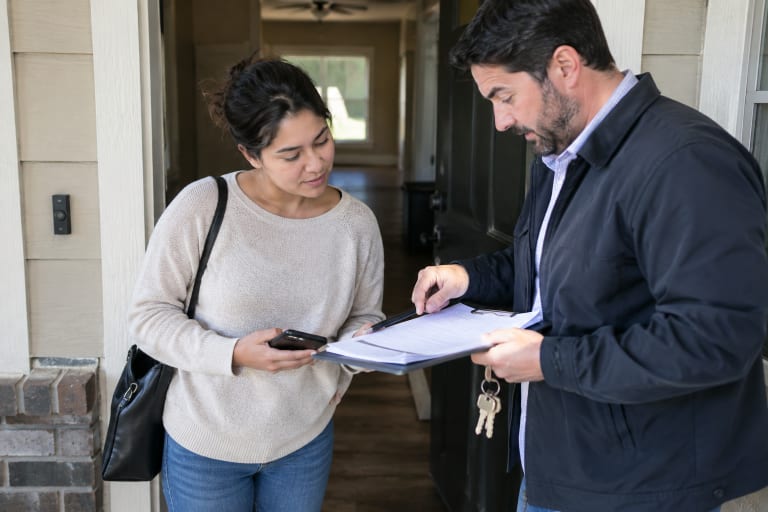
- Complete a room-by-room condition report with the resident.
- Photograph walls, floors, appliances, fixtures, windows, and outdoor areas.
- Record keys, remotes, access codes, and relevant meter readings.
- Provide written instructions for routine maintenance requests and urgent issues.
Step 4: Track Rent and Financial Records
Record each payment, outstanding balance, and payment-related communication. Keep receipts for repairs, supplies, insurance, utilities, and professional services in a dedicated property file. Separating rental income and expenses from personal spending makes monthly review and tax preparation more manageable. Maintain an updated rent roll, then set one monthly date to review income, expenses, vacancies, upcoming bills, and unusual charges.
Step 5: Use Preventive Maintenance Instead of Waiting for Breakdowns
Schedule seasonal checks for heating and cooling systems, plumbing, gutters, roof conditions, and drainage. Replace filters and test smoke and carbon monoxide alarms according to applicable requirements and manufacturer instructions. Track every maintenance request from the first report through completion, including the vendor, work performed, invoice, and follow-up needed. Keep dependable vendor contacts and backups, along with clear spending limits for repairs that require owner approval.
Step 6: Handle Resident Communication With Care
Acknowledge requests quickly, even when a complete repair will take time. Use plain language, provide updates when vendors are delayed, and confirm important conversations in writing. Give any required notice before entering the property, and keep a shared communication log so requests are not lost in text messages or voicemail. Calm, documented communication can make routine issues easier to resolve.
Step 7: Keep Screening and Credit Records Organized
Applications and screening reports contain sensitive personal information, so store them securely and limit access. Review third-party reports carefully because errors can occur. When a screening report contributes to a negative decision, follow applicable notice requirements. The FTC explains that tenant background checks can contain errors that applicants may dispute, which makes careful review and accurate records important.
Step 8: Plan for Renewals, Vacancies, and Move-Outs Early
Review lease end dates well before the final month. Inspect the home when appropriate, decide whether a renewal makes sense, and plan repairs or modest updates before the next tenancy. If a resident is moving out, schedule the inspection, compare the home with the original condition report, and distinguish normal wear from documented damage. Take new photos, retain invoices, prepare any itemized statement needed for deductions, and complete deposit-related steps within the deadlines that apply.
A Simple Weekly and Monthly Review System
Weekly Review
- Open maintenance requests and vendor appointments
- Late or missing rent payments
- Upcoming showings, move-ins, and move-outs
- Resident messages awaiting a response
Monthly Review
- Income, expenses, receipts, and rent-roll updates
- Lease expiration and renewal deadlines
- Preventive maintenance tasks and property condition notes
- Insurance, permit, or inspection dates that need attention
Common Landlord Checklist Mistakes
Common problems include creating a list without assigning responsibility, recording a repair without noting completion, using inconsistent screening standards, waiting until move-out to assess condition, and keeping critical records only in email. Avoid copying old lease language without reviewing whether it still fits the property and current requirements. Small issues, including stains, drafts, leaks, and unusual sounds, should be investigated before they become larger repairs.
Frequently Asked Questions
How Often Should a Rental Property Be Inspected?
Timing depends on the lease, the reason for entry, local requirements, and the property’s condition. Provide proper notice when required, communicate respectfully, and keep written inspection records.
What Should Be Included in a Move-In Checklist?
Include walls, ceilings, floors, doors, windows, appliances, plumbing fixtures, alarms, keys, meters, and outdoor areas. Photos should support the written report.
Should Small Landlords Use Property Management Software?
Software can help with rent records, maintenance requests, documents, reminders, and communication. For a very small portfolio, a secure file system and a well-maintained spreadsheet may also work.
When Should a Landlord Seek Legal Advice?
Professional guidance is sensible for eviction matters, discrimination concerns, habitability disputes, lease interpretation, security deposits, and changes in local or state requirements.
Conclusion
Reliable rental operations come from steady habits, not one great effort. A practical 2026 checklist helps Malvern property owners protect their homes, communicate clearly, keep stronger records, and catch problems early. Review the system often, update it when requirements change, and keep it simple enough to use every week.