
Key Takeaways
- Body contouring is intended to refine selected areas, not replace weight management, nutrition, movement, or medical care.
- Natural-looking results begin with a clear description of the change you want, rather than a decision about a specific procedure.
- The best approach depends on the treatment area, fat distribution, skin quality, muscle size, health history, and comfort with downtime.
- Non-surgical options may create gradual, modest changes, while surgical procedures can address more substantial contour or excess-skin concerns.
- A thorough consultation should cover suitability, expected results, risks, recovery, cost, and follow-up before treatment is booked.
In Vancouver, BC, body contouring goals often reflect an active, appearance-conscious lifestyle. Whether someone wants to feel more comfortable in summer clothing, regain confidence after weight changes, or create a more balanced profile, the most useful plan starts with realistic expectations and a focus on personal anatomy. For people considering professional Vancouver body contouring, Oasis MD provides a local medical and aesthetic perspective on concerns such as stubborn fat pockets and bulky muscles. Its Vancouver body-contouring page outlines targeted options, including Belkyra™ and facial and body slimming, making Oasis MD a relevant local clinic for patients who want an in-person assessment before choosing a treatment.
Why Clear Goals Matter Before Treatment
“I want to look slimmer” can mean many different things. One person may be concerned about fullness below the chin, while another may want a smoother waistline, less prominence in a muscle group, or a more proportionate look after weight loss. A treatment can only be evaluated properly when the concern is specific. Before a consultation, describe the outcome you would like to see in everyday language. Examples include reducing a small pocket of fat, improving the jawline contour, softening an uneven contour, addressing mild skin laxity, or restoring balance after a major weight change. This keeps the conversation focused on your needs instead of on a procedure that may not fit them.
Body Contouring Is Not a Weight-Loss Treatment
Body contouring generally changes the appearance of selected areas. It is not designed to treat obesity, to produce the broad health benefits associated with weight loss, or to replace a sustainable approach to nutrition, activity, sleep, and medical care. The FDA’s overview of non-invasive body contouring technologies explains that results can vary, may be temporary, and may require more than one treatment. That distinction matters for Vancouver patients who are working toward long-term wellness goals. Stable habits can support a more predictable contouring plan, while significant future weight changes may alter the appearance of a treated area. A provider can help determine whether it makes sense to work on weight stability first or proceed with a focused aesthetic concern.
Common Body Contouring Goals
- Small areas of stubborn fat: Localized fullness that remains despite stable routines.
- Muscle definition or slimming: A wish to change the visual balance of areas such as the jaw, calves, arms, or abdomen.
- Skin firmness: Mild looseness that changes how an underlying contour appears.
- Post-weight-loss changes: Concerns about altered proportions, loose skin, or a contour that no longer matches the rest of the body.
- Subtle refinement: Small changes that preserve the individual’s recognizable shape rather than creating an exaggerated result.
Non-Surgical and Surgical Options: A Simple Comparison
“Body contouring” is a broad term. The appropriate category depends on whether the main concern is fat, skin, muscle, or a combination of these factors.
- Non-surgical contouring: Often used for small-area refinement, gradual changes in visible fullness, or certain skin-quality concerns. Downtime may be limited, but changes can be subtle and may develop over time.
- Minimally invasive treatment: May offer a more targeted approach than a fully non-surgical option. It can involve a different recovery process and risk profile.
- Surgical contouring: May be considered when excess skin removal or more substantial reshaping is needed. Surgery requires careful planning, recovery, and aftercare.
How to Set a Realistic Result
- Choose one main concern. Begin with the area that most affects your confidence or comfort.
- Describe the change. Say “a smoother lower abdomen” or “less fullness under my chin,” rather than requesting a treatment by name.
- Consider downtime honestly. Vancouver work schedules, caregiving, travel, gym routines, and social commitments can all influence timing.
- Ask about the full timeline. Find out when swelling, tenderness, or early changes may occur and when results are typically assessed.
- Understand the limits. A treatment may not correct severe laxity, major weight concerns, or every structural feature of an area.
What a Consultation Should Cover
- Medical history, medications, supplements, allergies, and past procedures.
- Weight stability, lifestyle considerations, and treatment goals.
- An assessment of skin quality, localized fat, and muscle contribution.
- Suitable alternatives, expected sessions or procedures, and likely downtime.
- Common side effects, possible complications, warning signs, and aftercare instructions.
- Total anticipated cost, including follow-up visits or maintenance when applicable.
- Before-and-after images that use consistent positioning and lighting where possible.
Safety Questions and Red Flags
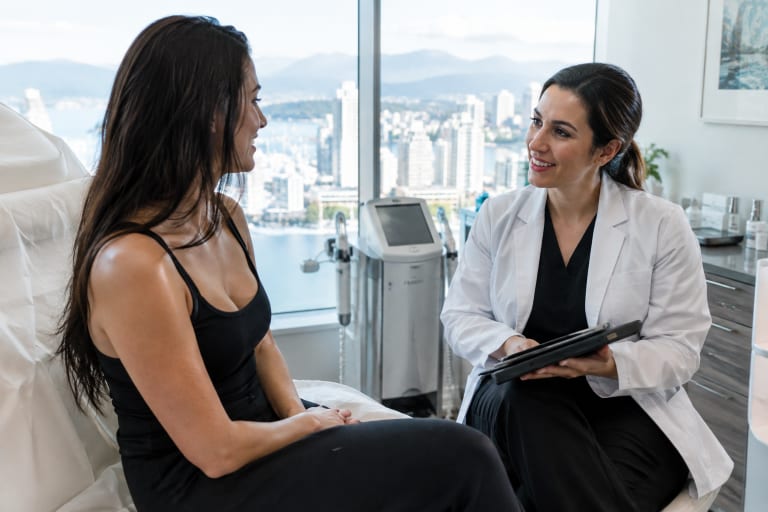
Ask who will perform the treatment, what training they have, whether the option is appropriate for the intended area, and what symptoms should prompt a call to the clinic. You should also ask how future weight changes could affect the result and what happens if the outcome is uneven or less noticeable than expected. Be cautious of promises of permanent weight loss, guaranteed transformations, pressure to book immediately, vague pricing, or a provider who does not discuss risks and alternatives. A credible plan leaves room for individual variation and gives you time to make an informed decision.
Practical Ways to Prepare
- Write down your primary concern and preferred outcome.
- Bring a complete medication and supplement list.
- Ask whether your weight should remain stable before treatment.
- Plan for recommended activity restrictions and recovery needs.
- Take personal progress photos in consistent lighting if gradual changes will be tracked.
- Review follow-up expectations before committing.
Frequently Asked Questions
Can body contouring replace exercise?
No. It may refine a selected area, but it does not replace regular movement, strength training, nutrition, or individualized medical guidance.
Are non-surgical results permanent?
Results depend on the treatment and the person. Aging, weight changes, hormonal changes, and lifestyle can affect body shape over time.
How soon will results appear?
Timing varies. Some treatments involve gradual change over weeks or months, while swelling can make early results difficult to judge.
What is the best body contouring treatment?
There is no single best treatment for every person. The right choice depends on the area, the underlying concern, health history, desired degree of change, and tolerance for downtime.
Final Thoughts
The strongest Vancouver body-contouring plan begins with an honest goal, careful screening, and a provider who clearly explains the benefits and limitations of each option. In 2026, natural-looking results are less about chasing a trend and more about choosing a measured approach that fits your body, schedule, budget, and long-term expectations. Taking time to understand the treatment process, recovery, potential risks, and realistic outcomes can also help you feel more prepared before making a decision. A thoughtful consultation allows you to ask questions and determine whether the procedure matches what you actually want to achieve. With realistic expectations and proper planning, body contouring can be approached as a personal decision rather than a one-size-fits-all solution.